
Transformer Classification by Phase: Single-Phase vs. Three-Phase
Understanding the differences between single-phase and three-phase transformers for power system design.

Transformer Classification by Phase
Phase configuration is a fundamental classification criterion for transformers, helping engineers make informed decisions about system efficiency and installation cost.
Single-Phase Transformers
Single-phase transformers operate with one alternating voltage waveform, suitable for rural electrification, residential distribution, and small commercial buildings.
Advantages: Lower cost, simpler installation, easier handling
Three-Phase Transformers
Three-phase transformers offer higher power density, improved efficiency, and better voltage regulation for industrial plants, data centers, and substations.
Selection Guidance
- Rural electrification → Single-phase
- Industrial zones → Three-phase
- Renewable energy → Three-phase
Share this article
Related Articles
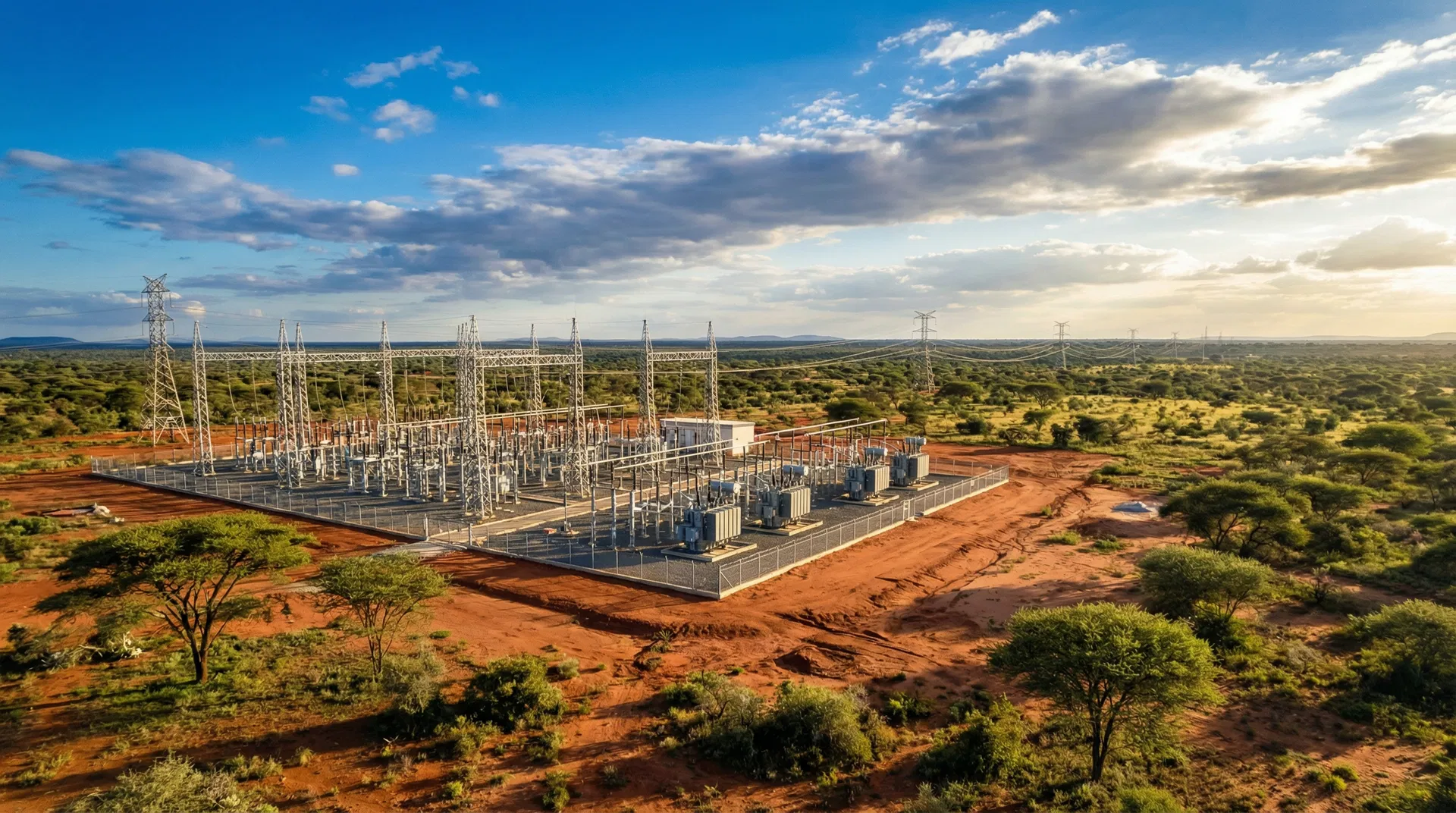
Powering Africa's Future: Distribution Transformer Opportunities in Emerging Markets
Africa is at a critical juncture, facing an energy deficit but poised for immense growth. This article delves into the significant opportunities for distribution transformers in the continent's emerging markets, highlighting their crucial role in pow
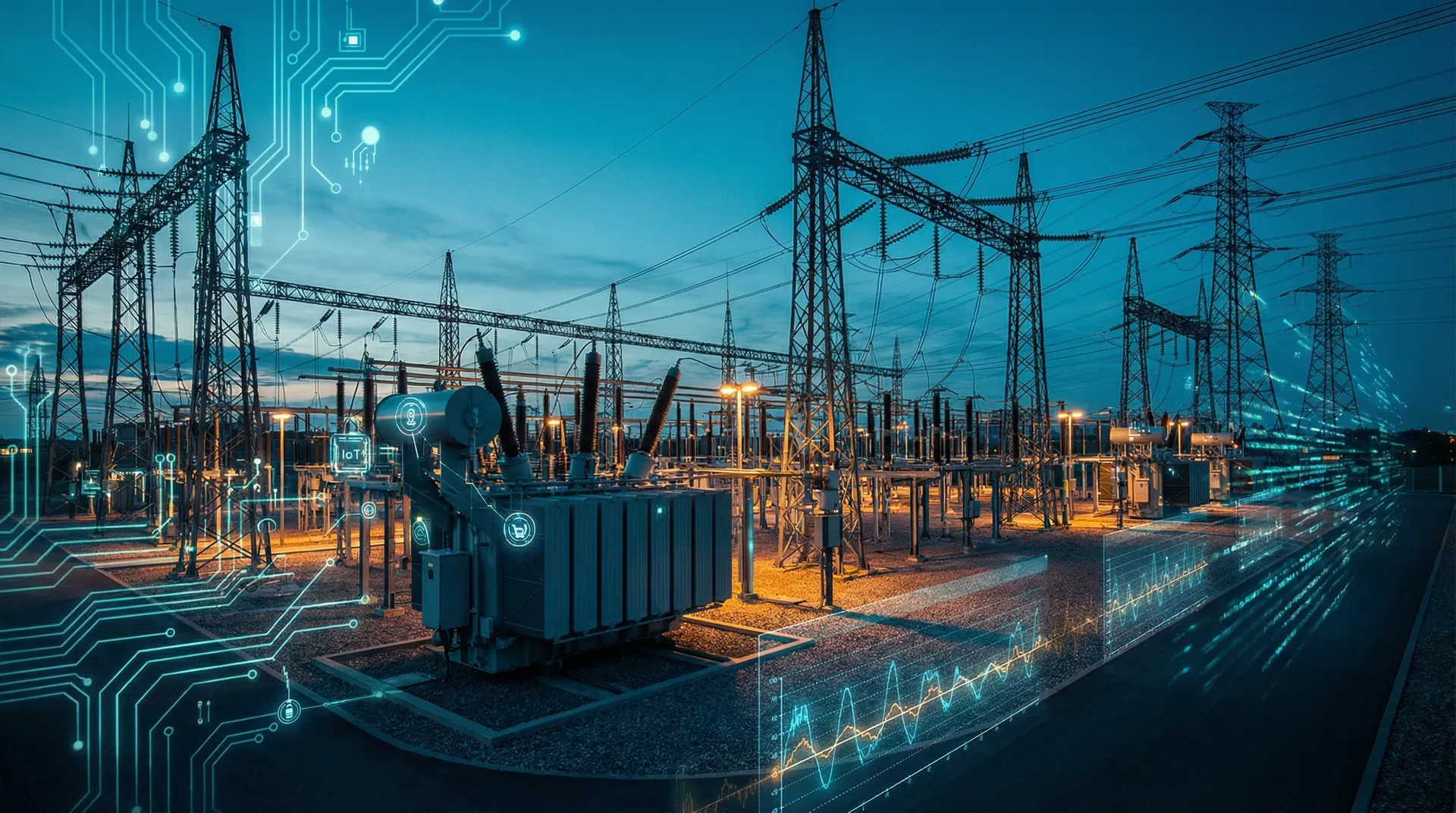
Smart Grid Technology and Advanced Transformer Condition Monitoring: Transforming Power Distribution
The global energy landscape is transforming with the smart grid at its core. This article delves into how smart grid technology and advanced transformer condition monitoring are crucial for optimizing power distribution, meeting escalating energy dem
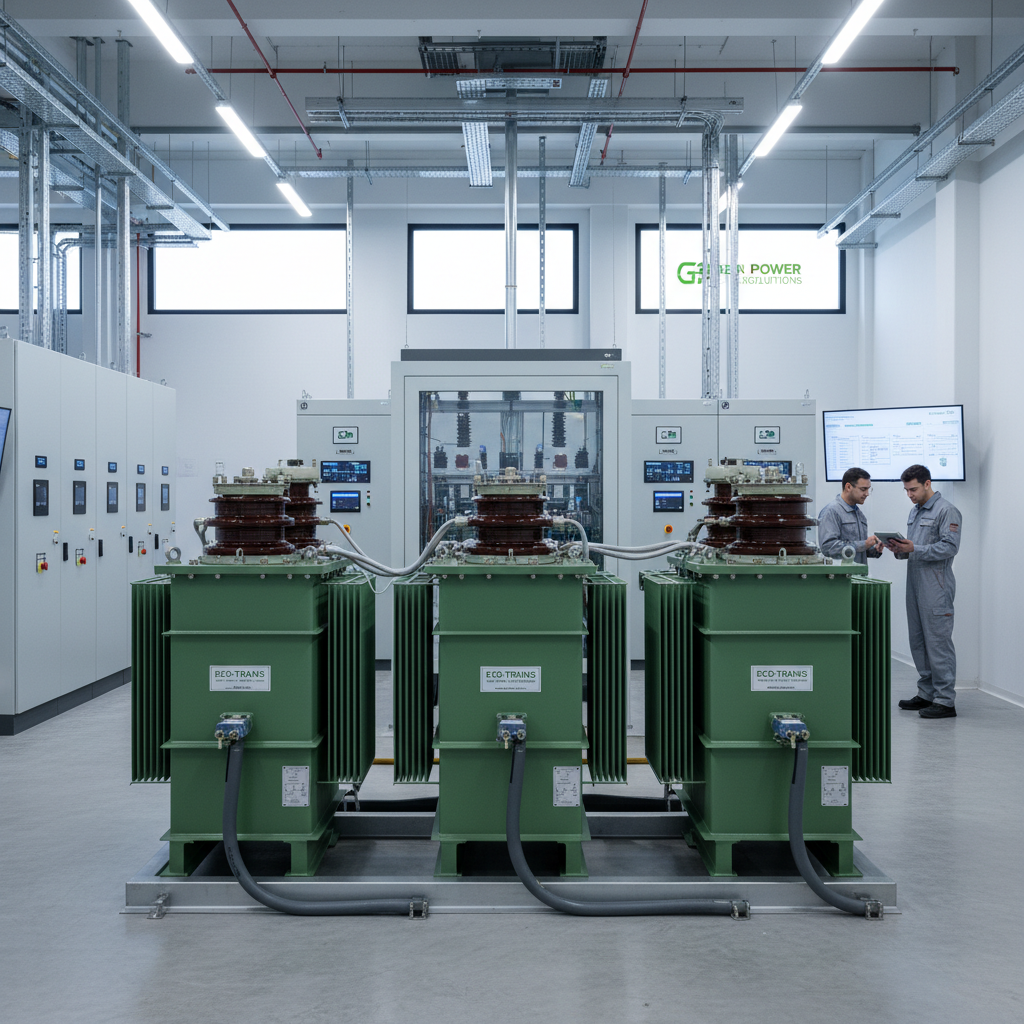
Eco-Friendly Transformers: Sustainable Manufacturing for a Greener Grid
The transformer industry is embracing sustainability, driven by environmental concerns and regulatory pressures. This article delves into eco-friendly materials, energy-efficient manufacturing, and lifecycle considerations, highlighting how these inn