
Eco-Friendly Transformers: Sustainable Manufacturing for a Greener Grid
The transformer industry is embracing sustainability, driven by environmental concerns and regulatory pressures. This article delves into eco-friendly materials, energy-efficient manufacturing, and lifecycle considerations, highlighting how these inn
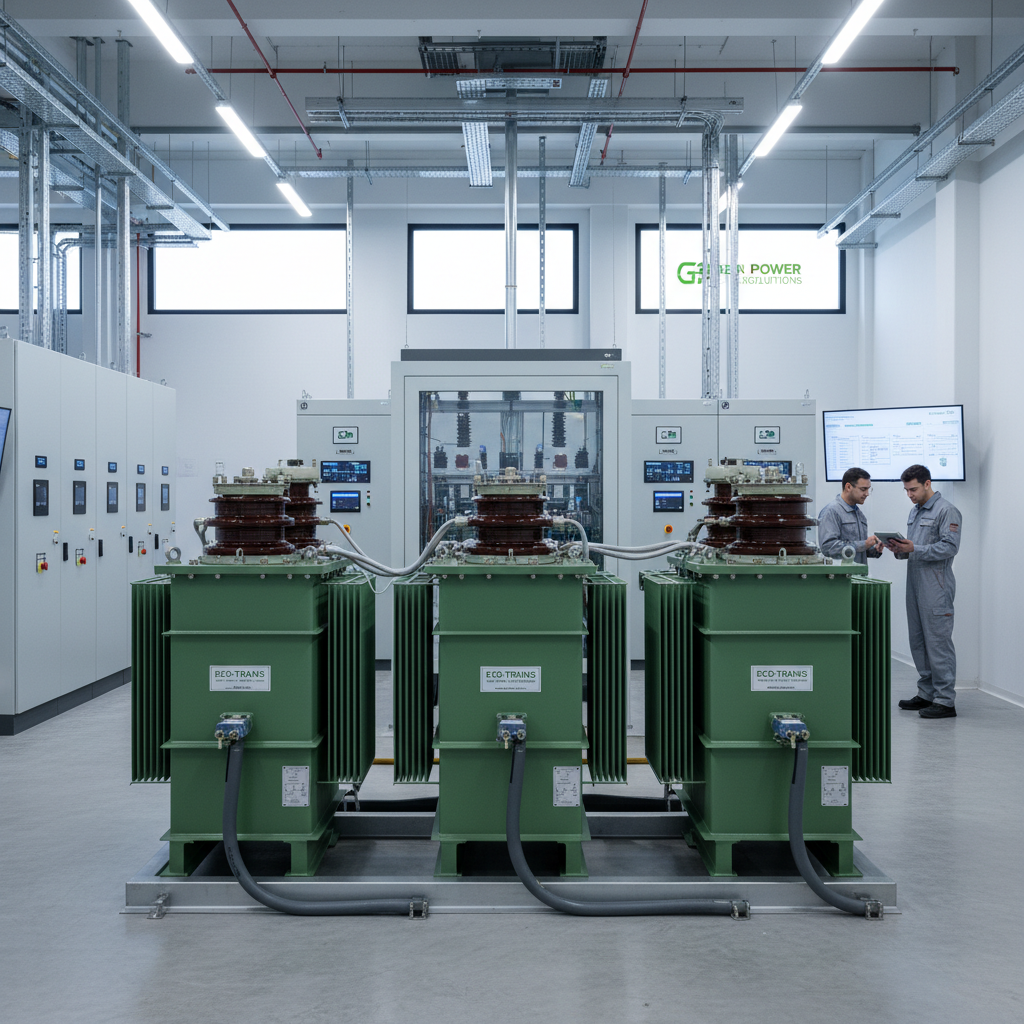
Eco-Friendly Transformers: Sustainable Manufacturing for a Greener Grid
In an era defined by increasing environmental consciousness and urgent calls for climate action, the electrical power industry stands at a critical juncture. As the backbone of modern energy infrastructure, power transformers, often operating continuously for decades, represent a significant opportunity for sustainable innovation. The shift towards eco-friendly materials and manufacturing processes in the transformer sector is no longer a niche concern but a mainstream imperative, driven by regulatory pressures, economic advantages, and a global commitment to a greener future. At Seatrust, with our decades of experience since 1993 and over 20,000 units delivered globally, we recognize that the future of power distribution is inextricably linked to sustainability.
This comprehensive article explores the evolving landscape of sustainable materials and eco-friendly manufacturing practices within the transformer industry. We will delve into current trends, challenges, and opportunities, highlighting how innovations are not only reducing environmental impact but also enhancing performance and reliability across various applications, from utilities and renewable energy to industrial sectors.
The Imperative for Sustainability in Transformer Manufacturing
The environmental footprint of traditional transformer manufacturing and operation is multifaceted. It includes the extraction and processing of raw materials, energy consumption during production, the use of insulating fluids, and end-of-life disposal. Addressing these aspects requires a holistic approach, focusing on reducing carbon emissions, conserving resources, and minimizing hazardous waste throughout the transformer's entire lifecycle.
Key Drivers for Green Transformer Adoption:
- Environmental Regulations: Stricter global and national regulations, such as the EU's Ecodesign requirements, are pushing manufacturers towards more energy-efficient and environmentally benign products. These regulations often mandate minimum efficiency levels and restrict the use of certain hazardous substances.
- Corporate Social Responsibility (CSR): Companies across all sectors are increasingly prioritizing CSR initiatives, demanding sustainable solutions from their supply chains. This pressure from customers and stakeholders encourages transformer manufacturers to adopt greener practices.
- Resource Scarcity and Cost Volatility: Fluctuations in the prices of traditional materials like copper and steel, coupled with concerns about resource depletion, make alternative, more sustainable materials economically attractive.
- Technological Advancements: Innovations in material science, manufacturing processes, and digital technologies are enabling the development of transformers that are both high-performing and environmentally friendly.
- Public Perception and Brand Image: A commitment to sustainability enhances a company's reputation, attracting environmentally conscious customers and talent.
The global market for green transformers is projected to grow significantly, reflecting this widespread adoption. Reports indicate a compound annual growth rate (CAGR) of over 7% for eco-friendly transformers, reaching substantial market valuations by the end of the decade. This growth underscores the industry's collective pivot towards sustainable solutions.
Innovations in Sustainable Materials for Transformers
The core of eco-friendly transformer manufacturing lies in the judicious selection and innovative application of materials. Every component, from the core and windings to insulation and casing, offers an opportunity for environmental improvement.
1. Biodegradable and Non-Toxic Insulating Fluids:
Traditionally, mineral oil has been the dominant insulating and cooling medium in liquid-filled transformers. While effective, mineral oil is petroleum-based, non-biodegradable, and flammable. The industry is rapidly transitioning to alternatives:
- Natural Esters (Vegetable Oils): Derived from renewable resources like rapeseed, sunflower, or soybean oil, natural esters are highly biodegradable (over 97% in 28 days), non-toxic, and offer a higher flash point (typically >300°C) compared to mineral oil (around 160°C). This significantly enhances fire safety, making them ideal for sensitive environments like urban areas, renewable energy plants, and indoor installations. Their superior moisture tolerance also extends the transformer's lifespan. Seatrust's pad-mounted and pole-mounted transformers can be specified with natural ester fluids, offering enhanced environmental protection and safety for utility and industrial clients.
- Synthetic Esters: While not biodegradable to the same extent as natural esters, synthetic esters are also non-toxic and offer excellent fire safety properties, often with higher thermal stability, making them suitable for very demanding applications.
2. Advanced Core Materials:
Transformer cores are typically made from grain-oriented electrical steel (GOES). Innovations focus on reducing core losses, which directly translates to energy savings and lower heat generation.
- Amorphous Metal Alloys: These alloys, characterized by a non-crystalline atomic structure, offer significantly lower core losses (up to 70% less) compared to traditional GOES. While more challenging to manufacture and potentially higher in initial cost, their long-term energy savings make them an attractive option, especially for distribution transformers. A typical 100 kVA amorphous core transformer can save several hundred kWh annually compared to a conventional silicon steel core transformer.
- High-Permeability Steels: Ongoing research aims to develop GOES with even better magnetic properties, further reducing hysteresis and eddy current losses.
3. Sustainable Winding and Insulation Materials:
- Recycled Copper and Aluminum: Utilizing recycled metals for windings reduces the demand for virgin material extraction, decreasing energy consumption and greenhouse gas emissions associated with mining and refining. The energy required to produce recycled copper is significantly less than that for primary copper.
- Eco-Friendly Solid Insulation: Traditional paper insulation can be replaced or augmented with materials like thermally upgraded paper (TUP) that allows for higher operating temperatures, potentially leading to smaller, more efficient designs. Research into biodegradable polymers and composites for solid insulation is also underway, aiming to reduce reliance on petroleum-based products.
4. Reduced Use of Hazardous Substances:
Compliance with directives like RoHS (Restriction of Hazardous Substances) is paramount. This involves eliminating or significantly reducing lead, mercury, cadmium, hexavalent chromium, polybrominated biphenyls (PBB), and polybrominated diphenyl ethers (PBDE) in all components. This commitment extends to the entire supply chain, ensuring that all materials meet stringent environmental standards.
Eco-Friendly Manufacturing Processes and Lifecycle Management
Beyond material selection, the manufacturing process itself offers substantial opportunities for environmental improvement. A lifecycle approach, from design to disposal, is crucial for true sustainability.
1. Energy-Efficient Production:
- Renewable Energy Integration: Powering manufacturing facilities with renewable energy sources like solar or wind power significantly reduces the carbon footprint of production. Seatrust, with its ISO 9001:2015 compliant facilities, continuously evaluates opportunities to enhance energy efficiency in our manufacturing operations.
- Optimized Processes: Implementing lean manufacturing principles, optimizing heating and cooling systems, and using energy-efficient machinery can drastically cut energy consumption. For instance, advanced vacuum drying ovens for transformer cores and coils reduce processing time and energy use.
- Waste Heat Recovery: Capturing and reusing waste heat generated during processes like core annealing or coil drying can further improve overall energy efficiency.
2. Waste Reduction and Recycling:
- Material Optimization: Design for manufacturing (DFM) principles can minimize material waste during cutting, winding, and assembly. Advanced software simulations help optimize material usage for core laminations and windings.
- Closed-Loop Recycling: Establishing robust recycling programs for scrap metals (copper, steel, aluminum), insulating fluids, and other components reduces landfill waste and conserves resources. For example, the ability to re-refine natural ester fluids at the end of a transformer's life offers a truly circular economy approach.
- Water Conservation: Implementing water-saving technologies in cooling systems and process water treatment reduces overall water consumption.
3. Design for Disassembly and Recyclability (DfD):
- Modular Design: Designing transformers with easily separable components facilitates disassembly and recycling at the end of their operational life. This includes using standardized fasteners and minimizing permanent bonding.
- Material Identification: Clear labeling of materials helps recycling facilities efficiently sort and process components. For example, ensuring that different types of plastics or metals are easily identifiable.
- Extended Product Lifespan: Manufacturing durable, high-quality transformers that require less frequent replacement inherently reduces environmental impact. Seatrust's commitment to UL/CSA certification and rigorous quality control ensures our transformers are built for longevity and reliability, minimizing the need for premature replacement.
4. Digitalization and Smart Manufacturing:
- Predictive Maintenance: Integrating IoT sensors and data analytics allows for predictive maintenance, optimizing transformer performance, extending lifespan, and preventing catastrophic failures that might lead to premature disposal. This also optimizes energy usage by ensuring transformers operate at peak efficiency.
- Supply Chain Transparency: Digital tools can track the origin and environmental credentials of raw materials, ensuring ethical sourcing and adherence to sustainability standards across the entire supply chain.
Seatrust's Commitment to Sustainable Practices
As a leading transformer manufacturer with a global presence, Seatrust is deeply committed to integrating sustainable practices throughout our operations and product offerings. Our UL/CSA certified pad-mounted, pole-mounted, and dry-type transformers are designed and manufactured with efficiency and environmental responsibility in mind.
- High-Efficiency Designs: Our transformers are engineered to meet or exceed stringent efficiency standards, minimizing energy losses and operating costs for our customers. This includes optimizing core and coil designs to reduce no-load and load losses.
- Flexible Fluid Options: We offer transformers compatible with natural ester fluids, providing our utility, renewable energy, and industrial clients with safer, more environmentally friendly alternatives to mineral oil. This is particularly relevant for applications in sensitive ecosystems or densely populated areas.
- Quality and Longevity: Our ISO 9001:2015 certified manufacturing processes ensure the highest quality and durability, extending the operational life of our transformers and reducing the frequency of replacement. This commitment to robust engineering minimizes the environmental impact associated with manufacturing new units.
- Global Compliance: Exporting to over 40 countries, we adhere to diverse international environmental and safety standards, ensuring our products meet global best practices for sustainability.
- Continuous Improvement: We continually invest in research and development to explore new sustainable materials and manufacturing techniques, striving to reduce our environmental footprint and enhance the eco-credentials of our products.
For example, a Seatrust 500 kVA pad-mounted transformer designed for a solar farm, utilizing natural ester fluid and optimized amorphous core technology, can reduce its carbon footprint by a significant margin over its 30-year lifespan compared to a conventional mineral oil unit. The enhanced fire safety of the ester fluid also reduces the risk of environmental contamination in the event of an incident, a critical consideration for renewable energy sites.
Challenges and Future Outlook
While the momentum towards sustainable transformer manufacturing is strong, challenges remain. These include the higher initial cost of some eco-friendly materials (e.g., amorphous metals), the need for further standardization of biodegradable fluids, and the complexities of establishing comprehensive recycling infrastructure globally.
However, the opportunities far outweigh the challenges. Future developments will likely focus on:
- Advanced Material Science: Continued research into novel materials, including nanomaterials and advanced composites, to further improve efficiency, reduce weight, and enhance environmental performance.
- Smart Grid Integration: Transformers will become more intelligent, integrating seamlessly into smart grids to optimize energy flow, reduce losses, and enable dynamic voltage control, further enhancing overall system efficiency.
- Circular Economy Models: Greater emphasis on product-as-a-service models, remanufacturing, and advanced recycling technologies to create a truly closed-loop system for transformer components.
- Carbon Footprint Tracking: More sophisticated tools for lifecycle assessment (LCA) to accurately quantify the environmental impact of transformers from raw material extraction to end-of-life, driving data-informed design decisions.
The journey towards a fully sustainable electrical grid is ongoing, and transformers play a pivotal role. By embracing eco-friendly materials and manufacturing processes, the industry is not only mitigating environmental risks but also building a more resilient, efficient, and responsible energy future. Seatrust is proud to be at the forefront of this transformation, delivering high-quality, sustainable transformer solutions that power the world responsibly.
As the global demand for electricity continues to rise, the imperative to meet this demand sustainably becomes ever more critical. The innovations in eco-friendly transformer manufacturing are not just about compliance; they are about pioneering a new standard for industrial responsibility and contributing to a greener planet for generations to come.
Share this article
Related Articles
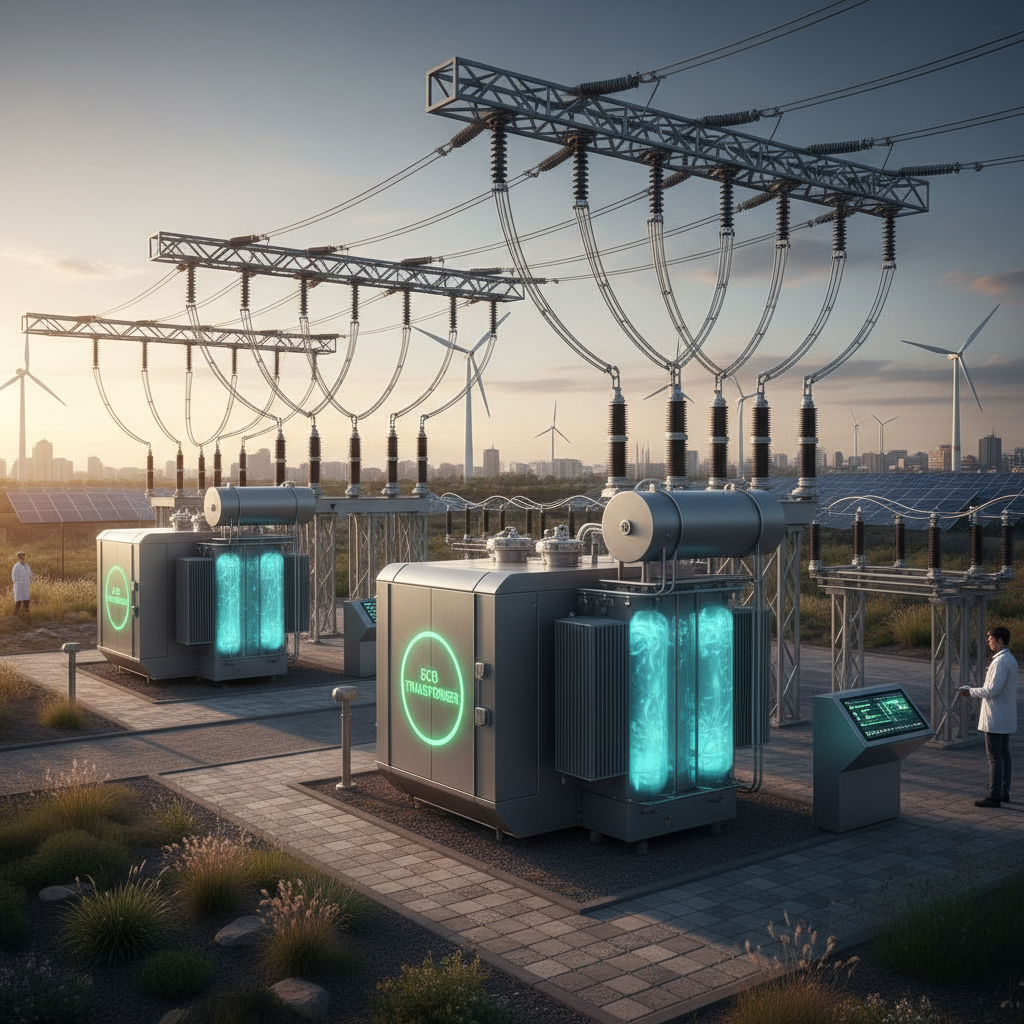
Eco-Friendly Transformers: Pioneering Sustainable Power Grids
The power industry is embracing sustainability, with eco-friendly transformer manufacturing at the forefront. This article delves into the critical role of sustainable materials, energy-efficient designs, and responsible production practices in shapi
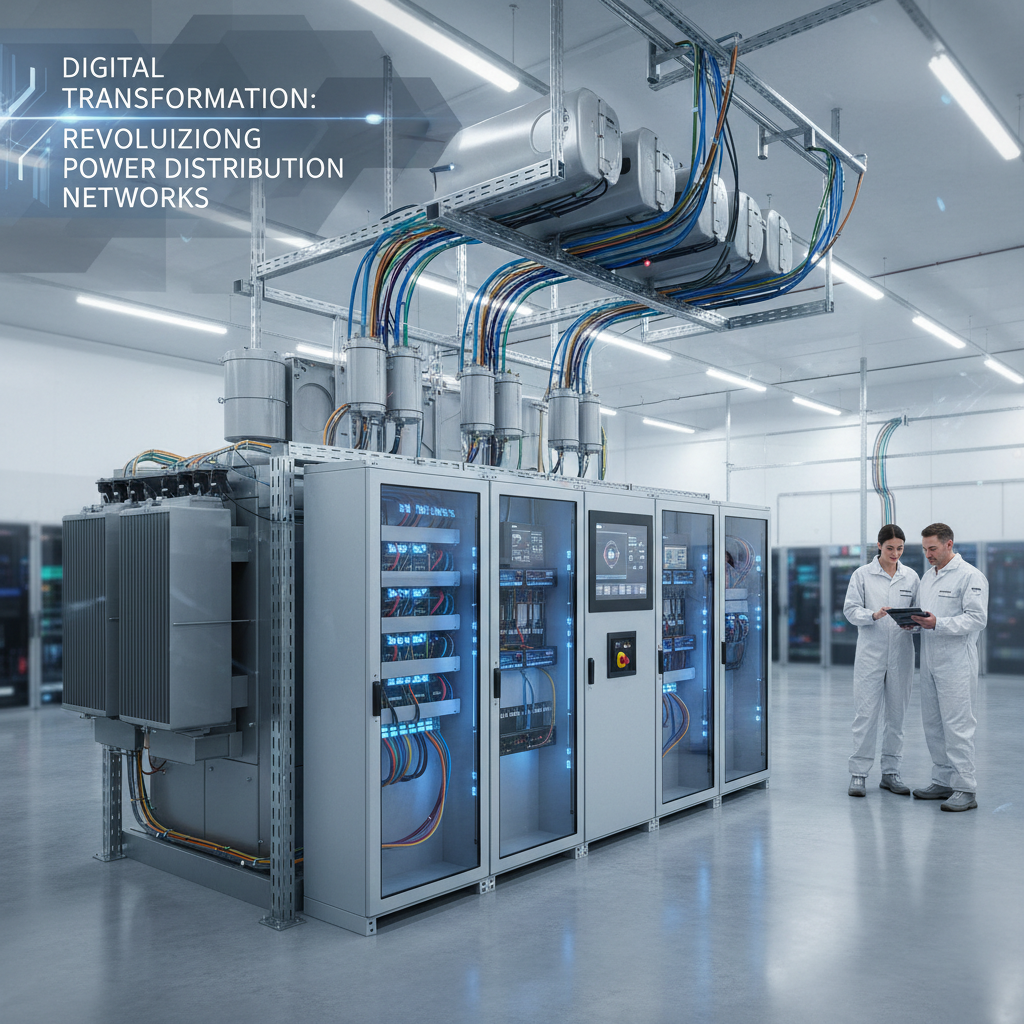
Digital Transformation: Revolutionizing Power Distribution Networks
The power distribution landscape is undergoing a profound digital transformation, driven by smart grid technologies, IoT, and AI. This article delves into the trends, challenges, and opportunities shaping modern grids, highlighting Seatrust's role in
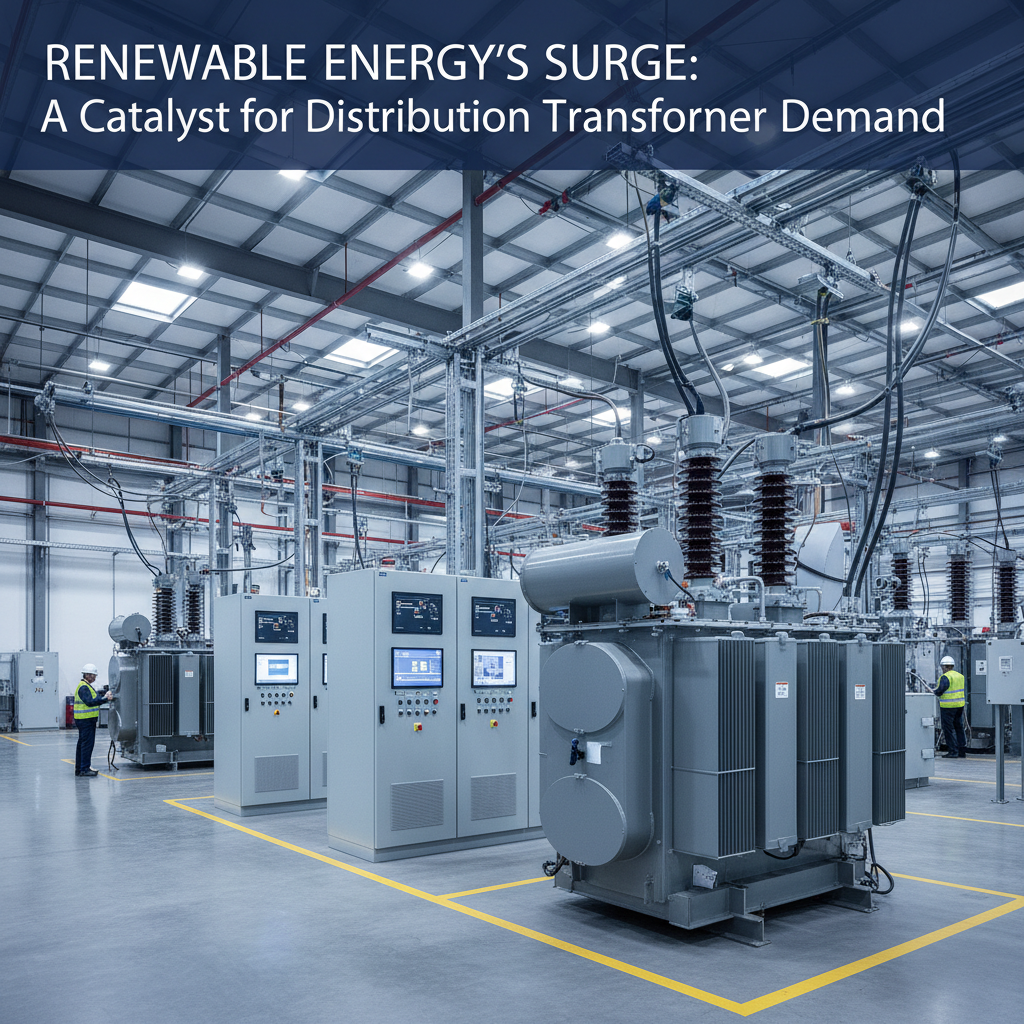
Renewable Energy's Surge: A Catalyst for Distribution Transformer Demand
The global energy landscape is undergoing a monumental shift towards renewables, creating an unprecedented surge in demand for critical grid infrastructure, particularly distribution transformers. This article delves into the intricate relationship b