
Eco-Friendly Transformers: Pioneering Sustainable Power Grids
The power industry is embracing sustainability, with eco-friendly transformer manufacturing at the forefront. This article delves into the critical role of sustainable materials, energy-efficient designs, and responsible production practices in shapi
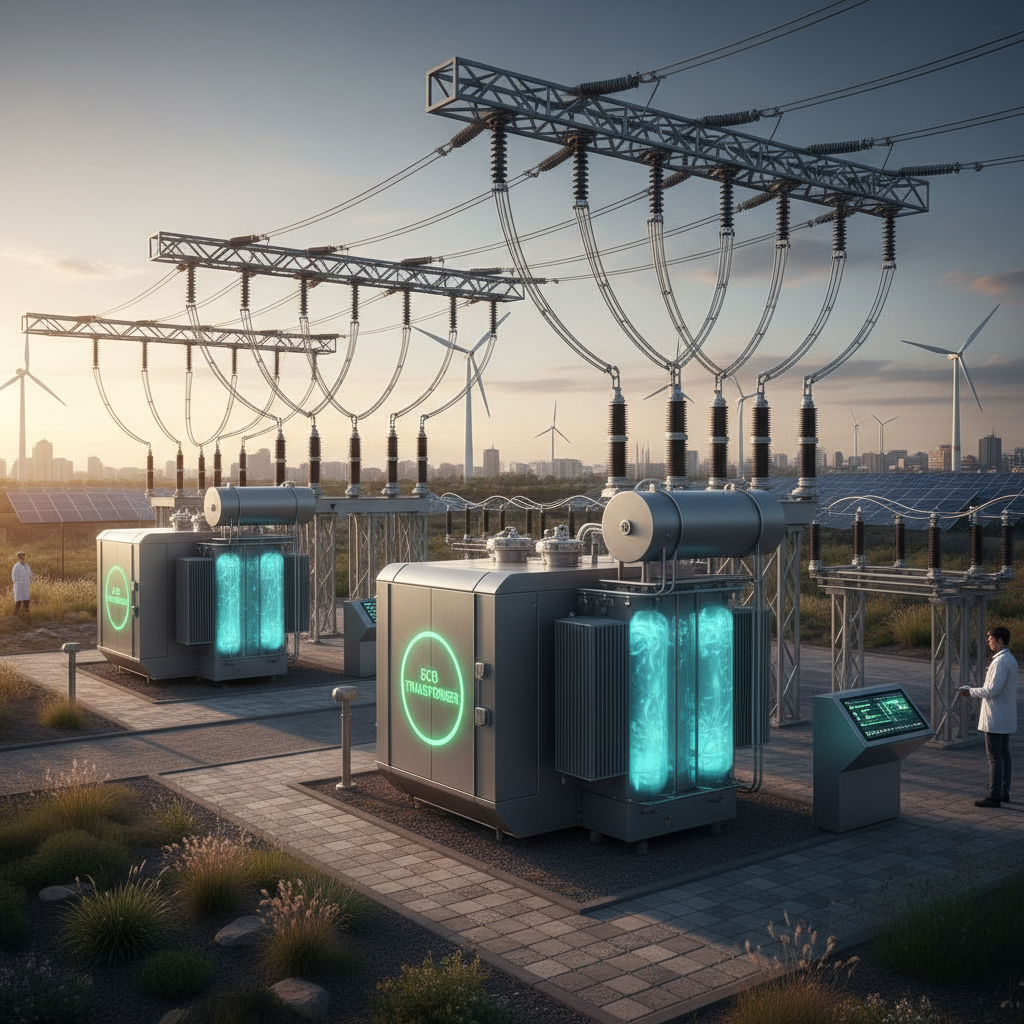
Eco-Friendly Transformers: Pioneering Sustainable Power Grids
In an era defined by increasing environmental consciousness and the urgent need for climate action, the global power industry stands at a pivotal juncture. As the backbone of modern electrical infrastructure, power transformers are indispensable, but their environmental footprint, from raw material extraction to end-of-life disposal, is coming under intense scrutiny. The shift towards sustainable materials and eco-friendly manufacturing practices in the transformer industry is not merely a trend; it's a fundamental transformation driven by regulatory pressures, corporate responsibility, and the imperative to build a truly green energy future. This article explores the critical advancements, challenges, and opportunities in sustainable transformer technology, highlighting how manufacturers like Seatrust are leading the charge towards a more environmentally responsible electrical grid.
The Imperative for Sustainability in Transformer Manufacturing
The traditional manufacturing of transformers, while highly efficient in its primary function, has historically relied on materials and processes that can have significant environmental impacts. These include the use of mineral oil as a dielectric fluid, which poses fire risks and environmental contamination concerns; the energy-intensive production of core materials like silicon steel; and the generation of waste during fabrication. With global electricity demand projected to increase by over 50% by 2050, according to the International Energy Agency (IEA), the sheer volume of transformers required necessitates a paradigm shift towards sustainability.
Environmental Drivers:
- Climate Change Mitigation: Reducing greenhouse gas emissions associated with manufacturing processes and improving transformer efficiency to minimize energy losses. A typical distribution transformer, even with high efficiency, can lose 0.5% to 2% of the energy passing through it. Across millions of units, this translates to significant wasted energy and CO2 emissions.
- Resource Depletion: Minimizing the reliance on finite resources through material innovation, recycling, and circular economy principles.
- Pollution Prevention: Eliminating or reducing hazardous substances, such as certain insulating materials or coolants, and preventing contamination from spills or waste.
- Biodiversity Protection: Reducing the impact of industrial activities on ecosystems, particularly concerning the sourcing of raw materials and waste disposal.
Economic and Regulatory Drivers:
- Stricter Regulations: Governments worldwide are implementing more stringent environmental regulations, including energy efficiency standards (e.g., DOE 2016 in the US, Ecodesign in the EU) and restrictions on hazardous substances (e.g., RoHS, REACH). Non-compliance can result in significant penalties.
- Consumer and Investor Demand: There is growing pressure from consumers, investors, and stakeholders for companies to demonstrate strong Environmental, Social, and Governance (ESG) performance. Sustainable practices can enhance brand reputation and attract green investments.
- Operational Cost Savings: Energy-efficient designs and optimized manufacturing processes can lead to lower operational costs over the transformer's lifespan, offering a competitive advantage.
- Circular Economy Opportunities: Developing new business models around recycling, refurbishment, and remanufacturing of transformer components can create new revenue streams and reduce material costs.
Innovations in Sustainable Materials for Transformers
The heart of eco-friendly transformer manufacturing lies in the adoption of sustainable materials. These innovations aim to reduce environmental impact without compromising performance, reliability, or safety.
1. Biodegradable Dielectric Fluids:
Traditionally, mineral oil has been the dominant dielectric fluid. However, its flammability and non-biodegradable nature pose environmental risks. The industry is rapidly transitioning to alternatives:
- Natural Esters: Derived from vegetable oils (e.g., soybean, sunflower, rapeseed), natural esters are highly biodegradable (over 99% in 28 days), non-toxic, and have a much higher flash point (typically >300°C vs. ~160°C for mineral oil). This significantly reduces fire risk and makes them ideal for environmentally sensitive areas, urban installations, and indoor applications. They also have superior moisture tolerance, extending insulation life. Seatrust, for instance, offers transformers designed to operate with natural ester fluids, enhancing safety and environmental compatibility for utility and renewable energy projects.
- Synthetic Esters: While not as biodegradable as natural esters, synthetic esters offer excellent thermal stability and fire resistance, making them suitable for high-temperature or specialized applications where mineral oil is unsuitable.
2. Advanced Core Materials:
The transformer core, typically made of grain-oriented electrical steel (GOES), accounts for a significant portion of a transformer's weight and energy losses. Innovations focus on reducing core losses and material usage:
- Amorphous Metal Cores: Amorphous metals are non-crystalline alloys that exhibit extremely low core losses (up to 70-80% lower than conventional GOES) due to their disordered atomic structure. While more expensive and sometimes more challenging to manufacture into large cores, their energy savings over a transformer's 20-30 year lifespan can be substantial. For a 100 kVA distribution transformer, switching to an amorphous core can save several hundred dollars annually in energy costs, translating to tons of CO2 reduction over its lifetime.
- High-Permeability GOES: Continuous improvements in GOES manufacturing have led to materials with higher magnetic permeability and lower specific losses, offering a balance between cost and efficiency.
3. Sustainable Insulation Systems:
Cellulose-based paper is the primary solid insulation. Efforts are underway to make this more sustainable:
- Thermally Upgraded Paper (TUP): TUP allows transformers to operate at higher temperatures without rapid degradation, potentially reducing the overall size and material content of the transformer for a given power rating. This also extends the lifespan of the insulation system.
- Recycled and Bio-based Insulation: Research is exploring the use of recycled paper products or novel bio-based polymers for insulation, reducing virgin material consumption.
4. Recyclable and Reusable Components:
Designing transformers for easier disassembly and material recovery is crucial for a circular economy. This includes:
- Standardized Components: Using modular, standardized components that can be easily replaced, repaired, or recycled.
- Material Selection for Recyclability: Choosing metals (copper, aluminum, steel) that are highly recyclable and ensuring their easy separation at end-of-life.
- Reduced Use of Mixed Materials: Minimizing the use of composite materials that are difficult to separate and recycle.
Eco-Friendly Manufacturing Processes and Design Principles
Beyond materials, the manufacturing process itself offers significant opportunities for environmental improvement. Seatrust, with its ISO 9001:2015 certification, exemplifies a commitment to quality management that inherently supports sustainable practices by optimizing processes and reducing waste.
1. Energy Efficiency in Production:
- Optimized Factory Operations: Implementing energy-efficient lighting, HVAC systems, and machinery in manufacturing plants. Utilizing renewable energy sources (e.g., solar panels) for factory power.
- Lean Manufacturing Principles: Reducing waste in all forms – overproduction, waiting time, transportation, over-processing, inventory, motion, and defects. This directly translates to lower resource consumption and emissions.
2. Waste Reduction and Recycling Programs:
- Scrap Metal Recycling: Efficient collection and recycling of copper, aluminum, and steel scrap generated during winding and core fabrication. This significantly reduces the need for virgin metal production, which is highly energy-intensive.
- Fluid Management: Responsible handling, recycling, and disposal of dielectric fluids, including oil filtration and regeneration.
- Packaging Optimization: Using recycled, recyclable, or reusable packaging materials to minimize waste during shipping.
3. Design for Environment (DfE) Principles:
Integrating environmental considerations throughout the product design lifecycle:
- Extended Product Lifespan: Designing transformers for durability and long operational life (e.g., 30+ years) reduces the frequency of replacement and associated manufacturing impacts. Seatrust's robust designs, including UL/CSA certified pad-mounted, pole-mounted, and dry-type transformers, are built for longevity in diverse environments.
- Reduced Weight and Size: Optimizing designs to achieve the same performance with less material, reducing raw material consumption and transportation emissions.
- Modularity and Repairability: Designing components for easy repair and replacement, extending the life of the overall unit and reducing electronic waste.
- Lower No-Load and Load Losses: Engineering transformers to minimize energy losses during operation is perhaps the most significant environmental contribution. For example, a 1000 kVA transformer with 0.2% lower total losses over 25 years can save hundreds of thousands of kWh, preventing substantial CO2 emissions.
4. Dry-Type Transformers:
Dry-type transformers, which use air or solid insulation instead of liquid dielectric fluids, are inherently more environmentally friendly in certain applications. They eliminate the risk of oil spills and are non-flammable, making them ideal for indoor installations, hospitals, and commercial buildings where safety and environmental considerations are paramount. Seatrust's expertise in dry-type transformers directly addresses the demand for safer, greener alternatives in sensitive environments.
Seatrust's Commitment to Sustainable Manufacturing
As a leading transformer manufacturer established in 1993, Seatrust has long recognized its responsibility to contribute to a sustainable future. Our commitment is woven into our operations, from product design to manufacturing processes and global distribution.
- UL/CSA Certified Products: Our adherence to rigorous UL/CSA standards ensures not only safety and performance but also promotes efficient designs that meet stringent energy efficiency requirements, reducing operational losses for our customers.
- ISO 9001:2015 Compliance: This certification reflects our dedication to continuous improvement in quality management, which includes optimizing manufacturing processes to minimize waste, improve resource efficiency, and ensure consistent product quality that extends lifespan.
- Global Reach with Sustainable Solutions: Exporting to over 40 countries with 20,000+ units delivered, Seatrust actively promotes the adoption of modern, efficient transformer technologies. We provide distribution transformers for utilities, renewable energy projects (solar, wind), and industrial applications, many of which are specifically designed to integrate with sustainable energy infrastructures. Our pad-mounted and pole-mounted transformers are engineered for reliability and long service life, reducing the need for frequent replacements.
- Support for Biodegradable Fluids: Seatrust offers transformers compatible with natural ester fluids, providing customers with a safer, more environmentally sound option, particularly crucial for installations in ecologically sensitive areas or densely populated urban centers.
- Focus on Efficiency: We continuously innovate to reduce no-load and load losses in our transformers, directly contributing to lower energy consumption and reduced carbon footprints for our clients' operations. This aligns with global efforts to improve grid efficiency and reduce overall energy demand.
By integrating these principles, Seatrust not only meets the evolving demands of the market but also actively contributes to the global effort to build more resilient, efficient, and environmentally responsible power grids.
Challenges and Future Outlook
The path to fully sustainable transformer manufacturing is not without its challenges. Cost remains a significant barrier; sustainable materials like amorphous metals or natural esters can be more expensive than their traditional counterparts. Supply chain complexities, the need for new manufacturing techniques, and the inertia of established industry practices also present hurdles. However, the long-term benefits – environmental protection, enhanced safety, and reduced operational costs – far outweigh these initial investments.
Looking ahead, several key trends will shape the future of eco-friendly transformer manufacturing:
- Advanced Materials Research: Continued innovation in nanotechnology and material science will likely yield even more efficient, lighter, and more sustainable core, winding, and insulation materials.
- Digitalization and AI: Artificial intelligence and machine learning can optimize transformer design for efficiency and material usage, predict maintenance needs to extend lifespan, and streamline manufacturing processes to reduce waste.
- Circular Economy Integration: The industry will move towards more robust take-back schemes, refurbishment programs, and advanced recycling technologies to maximize material recovery and minimize waste.
- Grid Modernization and Smart Transformers: The integration of transformers into smart grids will demand not only efficiency but also enhanced monitoring and control capabilities, further optimizing their operation and environmental performance.
- Policy and Standards Evolution: Expect increasingly stringent energy efficiency standards and environmental regulations, pushing manufacturers to innovate further and faster.
In conclusion, the journey towards sustainable materials and eco-friendly manufacturing in the transformer industry is a testament to innovation and responsibility. As the world transitions to cleaner energy sources and smarter grids, the role of environmentally conscious transformers becomes ever more critical. Manufacturers like Seatrust are not just building transformers; they are building the sustainable infrastructure of tomorrow, ensuring that the power delivered is not only reliable but also respectful of our planet.
Share this article
Related Articles
Digital Transformation: Revolutionizing Power Distribution Networks
The power distribution landscape is undergoing a profound digital transformation, driven by smart grid technologies, IoT, and AI. This article delves into the trends, challenges, and opportunities shaping modern grids, highlighting Seatrust's role in
Renewable Energy's Surge: A Catalyst for Distribution Transformer Demand
The global energy landscape is undergoing a monumental shift towards renewables, creating an unprecedented surge in demand for critical grid infrastructure, particularly distribution transformers. This article delves into the intricate relationship b
Digital Transformation: Revolutionizing Power Distribution Networks
The power distribution landscape is undergoing a profound digital transformation, driven by smart grid technologies, IoT, and AI. This article delves into the trends, challenges, and opportunities, highlighting how these advancements are creating mor