
Digital Transformation: Revolutionizing Power Distribution Networks
The power distribution landscape is undergoing a profound digital transformation, driven by smart grid technologies, IoT, and AI. This article delves into the trends, challenges, and opportunities shaping modern grids, highlighting Seatrust's role in
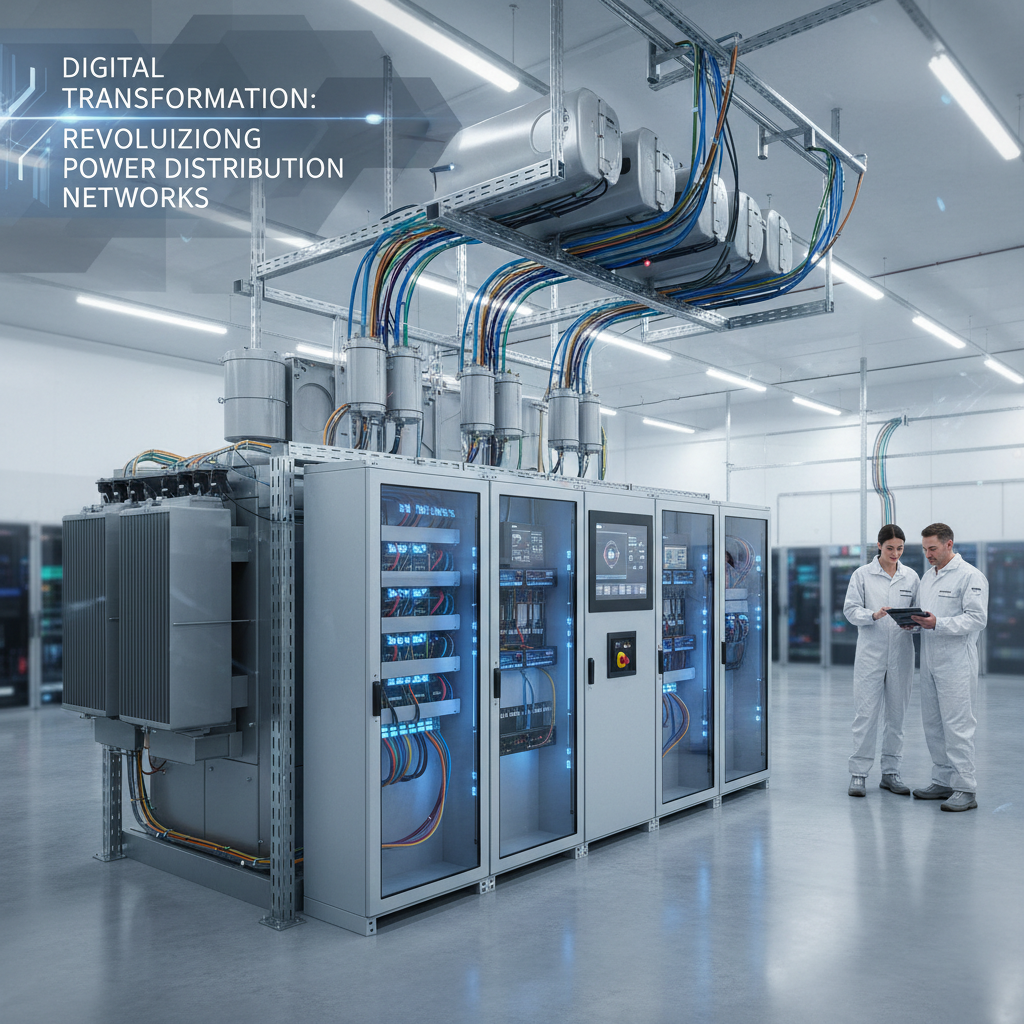
Digital Transformation: Revolutionizing Power Distribution Networks
The global energy landscape is in the midst of an unprecedented transformation, driven by a confluence of factors including climate change, the proliferation of renewable energy sources, evolving consumer demands, and the imperative for enhanced grid resilience. At the heart of this evolution lies the digital transformation of power distribution networks. What was once a largely analog, one-way system is rapidly becoming a sophisticated, interconnected, and intelligent grid, capable of real-time monitoring, predictive analytics, and dynamic control. This shift is not merely an upgrade; it's a fundamental reimagining of how electricity is delivered, managed, and consumed, promising greater efficiency, reliability, and sustainability. For manufacturers like Seatrust, established in 1993 and a leader in transformer technology, understanding and contributing to this digital revolution is paramount to shaping the future of energy.
The Dawn of the Smart Grid: Key Technologies Driving Digitalization
The concept of the 'smart grid' is the cornerstone of digital transformation in power distribution. It represents an electricity network that uses digital communication technology to detect and react to local changes in usage. This intelligence is powered by several key technological advancements:
Advanced Metering Infrastructure (AMI) and IoT Integration
AMI systems, often referred to as smart meters, are foundational. Unlike traditional meters, AMI devices provide two-way communication between the utility and the customer, enabling real-time data collection on energy consumption, outages, and power quality. This granular data is invaluable for demand-side management, outage detection, and billing accuracy. The integration of the Internet of Things (IoT) extends this capability beyond meters to virtually every component of the distribution network – from sensors on power lines and substations to intelligent switches and transformers. These IoT devices collect vast amounts of operational data, feeding it into central systems for analysis. For instance, sensors on Seatrust's pad-mounted or pole-mounted transformers can monitor temperature, load, and voltage levels in real-time, providing early warnings of potential issues and optimizing performance.
SCADA Systems and Distribution Management Systems (DMS)
Supervisory Control and Data Acquisition (SCADA) systems have long been used in power systems, but their capabilities are being significantly enhanced by digital transformation. Modern SCADA systems, integrated with Distribution Management Systems (DMS), provide operators with a comprehensive, real-time view of the entire distribution network. DMS platforms leverage advanced algorithms to optimize grid operations, including fault location, isolation, and service restoration (FLISR), voltage optimization, and distributed energy resource (DER) integration. This allows for proactive rather than reactive management, significantly reducing outage times and improving power quality. The ability to remotely monitor and control assets, including the tap settings of transformers, becomes crucial for maintaining optimal voltage profiles across dynamic loads.
Artificial Intelligence (AI) and Machine Learning (ML)
The sheer volume of data generated by AMI, IoT sensors, and SCADA systems would be overwhelming without advanced analytical tools. AI and ML algorithms are transforming this raw data into actionable insights. They are used for:
- Predictive Maintenance: Analyzing historical data from assets like transformers to predict potential failures before they occur, allowing for scheduled maintenance and preventing costly outages. This is particularly relevant for critical equipment like Seatrust's UL/CSA certified transformers, where reliability is paramount.
- Load Forecasting: More accurately predicting electricity demand based on weather patterns, historical usage, and other variables, optimizing generation and distribution.
- Grid Optimization: Dynamically adjusting grid parameters, such as voltage and reactive power, to minimize losses and maximize efficiency.
- Cybersecurity: Identifying unusual patterns that could indicate a cyber attack, protecting critical infrastructure.
Blockchain and Cybersecurity
As grids become more interconnected and data-rich, cybersecurity becomes a paramount concern. Digital transformation introduces new vulnerabilities that must be addressed with robust security protocols. Blockchain technology, while still nascent in this application, holds promise for enhancing grid security and facilitating peer-to-peer energy trading in microgrids by providing a decentralized, immutable ledger for transactions and data. Protecting the operational technology (OT) and information technology (IT) convergence points is critical to maintaining grid integrity and reliability.
Challenges and Opportunities in Digital Grid Modernization
While the benefits of digital transformation are clear, the path to a fully modernized grid is fraught with challenges, yet it also presents immense opportunities for innovation and growth.
Overcoming Challenges
- Legacy Infrastructure: A significant hurdle is the existing aging infrastructure. Many distribution networks were built decades ago and are not inherently designed for digital integration. Upgrading or replacing these assets, including older transformers, requires substantial capital investment and meticulous planning. Seatrust's focus on high-quality, durable transformers, including dry-type transformers suitable for various environments, helps utilities make long-term, reliable investments.
- Data Management and Interoperability: The diverse range of digital devices and systems often leads to disparate data formats and communication protocols. Ensuring seamless data flow and interoperability between different vendors' equipment and software platforms is complex. Industry standards are crucial here.
- Cybersecurity Threats: The increased connectivity of smart grids expands the attack surface for cyber threats. Protecting critical infrastructure from sophisticated attacks requires continuous investment in cybersecurity measures, personnel training, and resilient system architectures.
- Regulatory and Policy Frameworks: Existing regulatory frameworks may not be adequately equipped to handle the complexities of a dynamic, decentralized smart grid. Policies need to evolve to incentivize smart grid investments, facilitate data sharing, and ensure fair market competition for new energy services.
- Skilled Workforce: The digital grid demands a new set of skills from utility personnel, ranging from data scientists and cybersecurity experts to engineers proficient in advanced grid technologies. Workforce development and training are essential.
Seizing Opportunities
- Enhanced Reliability and Resilience: Digitalization enables faster fault detection, isolation, and restoration, significantly improving grid reliability. Furthermore, it allows for better integration of distributed energy resources (DERs) like solar and wind, and microgrids, enhancing overall grid resilience against extreme weather events or cyber-physical attacks. Seatrust's robust pad-mounted and pole-mounted transformers are built to withstand harsh conditions, contributing to this resilience.
- Increased Efficiency and Reduced Losses: Real-time monitoring and optimization tools can identify and mitigate technical losses in the distribution network, leading to substantial energy savings. Voltage optimization, enabled by smart transformers and controls, can further reduce consumption and extend equipment life. Seatrust's commitment to ISO 9001:2015 quality standards ensures their transformers contribute to efficient operations.
- Integration of Renewable Energy and DERs: Digital grids are essential for managing the intermittency and variability of renewable energy sources. They enable sophisticated forecasting, demand response, and energy storage integration, facilitating a higher penetration of clean energy into the grid. As a supplier to renewable energy projects, Seatrust plays a direct role in this transition.
- New Business Models and Consumer Engagement: Digitalization opens doors for new services, such as demand response programs, peer-to-peer energy trading, and electric vehicle (EV) charging management. Consumers can become more active participants in the energy market, leading to greater choice and potentially lower costs.
- Sustainability and Decarbonization: By enabling efficient energy use and facilitating renewable integration, digital transformation is a critical enabler for achieving national and global decarbonization targets.
Seatrust's Role in Powering the Digital Grid
As a leading transformer manufacturer with a legacy dating back to 1993, Seatrust is intrinsically linked to the digital transformation of power distribution networks. Our products form the backbone of these evolving grids, and our commitment to quality and innovation ensures we meet the demands of a smarter, more connected future.
Enabling Smart Grid Infrastructure with Reliable Transformers
Transformers are fundamental to any electricity network, stepping voltage up or down to facilitate efficient transmission and distribution. In a digital grid, the demands on transformers are evolving:
- Robustness for Dynamic Loads: The integration of DERs and the rise of electric vehicles introduce more dynamic and bidirectional power flows. Seatrust's pad-mounted, pole-mounted, and dry-type transformers are engineered for durability and consistent performance under varying load conditions, ensuring grid stability.
- Integration with Monitoring Systems: Our transformers are designed to be compatible with advanced monitoring and control systems. This includes provisions for integrating sensors that measure key parameters like temperature, current, and voltage, feeding critical data into SCADA and DMS platforms for real-time analysis and predictive maintenance. This capability is vital for utilities managing assets across 40+ countries, with over 20,000 units delivered globally.
- Efficiency for Sustainability: As grids strive for greater efficiency, the losses associated with transformers become more critical. Seatrust's commitment to high efficiency designs minimizes energy waste, aligning with the goals of a sustainable, digital grid. Our UL/CSA certifications underscore our adherence to stringent performance and safety standards.
- Support for Diverse Applications: Whether it's for utility distribution, renewable energy projects (solar farms, wind parks), or industrial applications, Seatrust provides tailored transformer solutions that fit the specific requirements of a digitally transforming grid. Our expertise in distribution transformers makes us a key partner for projects requiring reliable voltage conversion in smart grid deployments.
Expertise and Quality Assurance
Seatrust's nearly three decades of experience and adherence to ISO 9001:2015 quality management systems mean that our transformers are not just components; they are reliable, high-performance assets ready for the demands of the 21st-century grid. Our global presence and extensive project portfolio demonstrate our capability to support utilities and industries worldwide in their journey towards digital transformation.
The Future Outlook: A Fully Autonomous and Resilient Grid
The digital transformation of power distribution networks is an ongoing journey, with future developments promising even more sophisticated and autonomous grids. We can anticipate several key trends:
- Increased Automation and Autonomy: As AI and ML capabilities mature, grids will become increasingly self-healing and self-optimizing. Automated systems will detect faults, reconfigure the network, and restore power with minimal human intervention. This will lead to significantly improved reliability and reduced operational costs.
- Hyper-connectivity and Edge Computing: The proliferation of IoT devices will lead to even greater data density. Edge computing, processing data closer to its source (e.g., at substations or even within intelligent transformers), will become crucial for reducing latency and enabling real-time decision-making, especially for critical grid operations.
- Advanced Microgrids and Energy Communities: Digitalization will accelerate the development of highly resilient, localized microgrids that can operate independently or interconnectedly with the main grid. These will foster energy communities, enabling local energy generation, storage, and trading, fundamentally changing the traditional utility-customer relationship.
- Enhanced Cybersecurity Measures: As the grid becomes more critical and connected, investment in advanced cybersecurity, including quantum-resistant cryptography and AI-driven threat detection, will be paramount to protect against increasingly sophisticated attacks.
- Digital Twins: The creation of 'digital twins' – virtual replicas of physical grid assets and systems – will enable advanced simulation, testing, and optimization, allowing utilities to predict performance, test changes, and train personnel in a risk-free environment.
The digital transformation of power distribution networks is not just a technological upgrade; it's a strategic imperative for building a sustainable, reliable, and efficient energy future. Companies like Seatrust, by providing the foundational, high-quality transformer technology, are essential partners in this journey, helping to power the smart grids of tomorrow, today.
Share this article
Related Articles
Eco-Friendly Transformers: Pioneering Sustainable Power Grids
The power industry is embracing sustainability, with eco-friendly transformer manufacturing at the forefront. This article delves into the critical role of sustainable materials, energy-efficient designs, and responsible production practices in shapi
Renewable Energy's Surge: A Catalyst for Distribution Transformer Demand
The global energy landscape is undergoing a monumental shift towards renewables, creating an unprecedented surge in demand for critical grid infrastructure, particularly distribution transformers. This article delves into the intricate relationship b
Digital Transformation: Revolutionizing Power Distribution Networks
The power distribution landscape is undergoing a profound digital transformation, driven by smart grid technologies, IoT, and AI. This article delves into the trends, challenges, and opportunities, highlighting how these advancements are creating mor