
Smart Grid Technology and Advanced Transformer Condition Monitoring: Transforming Power Distribution
The global energy landscape is transforming with the smart grid at its core. This article delves into how smart grid technology and advanced transformer condition monitoring are crucial for optimizing power distribution, meeting escalating energy dem
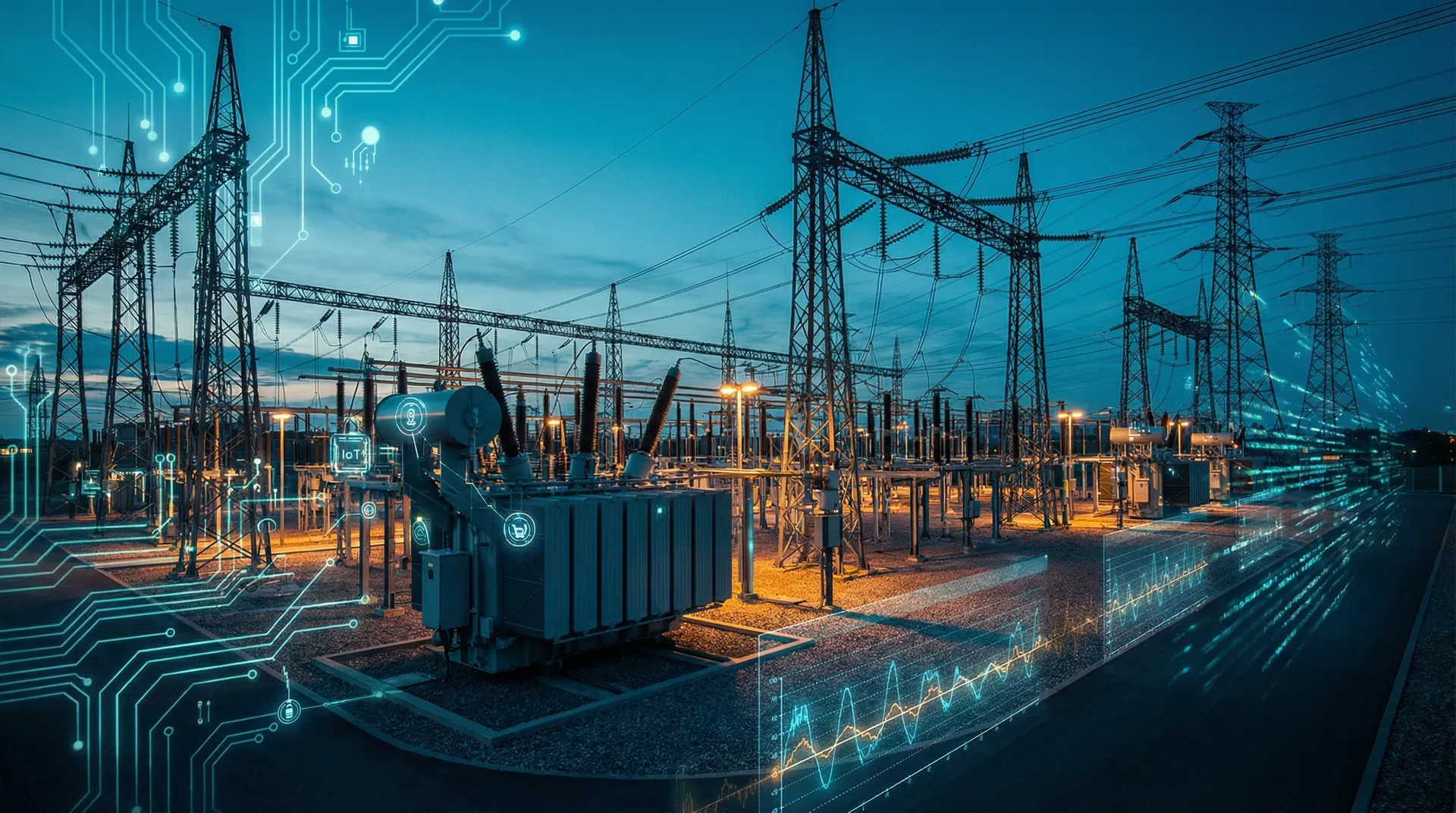
Smart Grid Technology and Advanced Transformer Condition Monitoring: Transforming Power Distribution
Introduction
The global energy landscape is undergoing a profound transformation, driven by an escalating demand for reliable power, the integration of distributed renewable energy sources, and the imperative for enhanced grid resilience. At the heart of this evolution lies the smart grid, a sophisticated network that leverages digital communication and advanced computing to optimize energy flow, improve efficiency, and enhance operational intelligence. Central to the smart grid's success is the health and performance of its most critical assets: transformers. These indispensable components, responsible for stepping up and stepping down voltage levels across the transmission and distribution network, are increasingly under scrutiny. The convergence of smart grid technology with advanced transformer condition monitoring is not merely an incremental improvement; it represents a paradigm shift in how utilities, EPC contractors, and industrial engineers approach asset management, maintenance strategies, and overall grid reliability. This integration moves beyond traditional time-based or reactive maintenance, ushering in an era of predictive and prescriptive asset management. The ability to monitor transformer health in real-time, anticipate potential failures, and proactively intervene is no longer a luxury but a necessity for maintaining grid stability, minimizing operational costs, and ensuring a continuous, high-quality power supply. As a leading transformer manufacturer since 1993, Seatrust has witnessed firsthand the escalating importance of these technologies, understanding that the future of power distribution hinges on intelligent, resilient, and data-driven infrastructure. Our commitment to innovation, reflected in our UL/CSA/KEMA certified products and ISO 9001:2015 quality management, positions us at the forefront of this transformative journey, delivering over 20,000 units globally designed to meet the demands of tomorrow's smart grids.
The Hidden Cost of Transformer Failures
Transformer failures represent a significant financial burden and operational challenge for utilities and industrial operators worldwide. Beyond the immediate cost of replacing a multi-million dollar asset, the ripple effects of an outage can be catastrophic. According to a report by the U.S. Department of Energy, power outages cost the U.S. economy an estimated $18 billion to $33 billion annually, with equipment failures, including transformers, being a primary contributor. The average lifespan of a power transformer is typically 30-40 years, but unforeseen failures can occur much earlier due to aging insulation, winding defects, or external stresses. A CIGRE study indicated that a significant percentage of transformer failures are preventable if underlying issues are detected early. For instance, a major utility can incur millions of dollars in lost revenue and penalties for extended outages, not to mention the damage to public perception and customer trust. Beyond financial implications, transformer failures pose considerable safety risks. Exploding transformers can cause fires, environmental contamination from leaked oil, and severe injuries or even fatalities to personnel and the public. The traditional approach of reactive maintenance—repairing or replacing a transformer only after it has failed—is no longer economically or operationally viable in today's interconnected world. The increasing complexity of the grid, coupled with the integration of intermittent renewable energy sources, places unprecedented stress on existing infrastructure, making the proactive identification of potential failure modes paramount. This necessitates a shift towards condition-based maintenance (CBM), enabled by advanced monitoring technologies, to mitigate these hidden costs and ensure the uninterrupted flow of power. Seatrust's robust and reliable transformers, including our pad-mounted, pole-mounted, and dry-type units, are engineered for durability, but even the most robust equipment benefits immensely from intelligent monitoring to maximize their operational lifespan and prevent costly disruptions.
Core Monitoring Technologies
The ability to accurately assess the health of a transformer relies on a suite of sophisticated monitoring technologies, each designed to detect specific anomalies and degradation mechanisms. IoT sensors are foundational, providing real-time data on critical parameters such as temperature (winding and oil), load current, voltage, and even vibration. These sensors, often wireless and low-power, can be strategically placed throughout the transformer to capture localized hotspots or mechanical issues. For oil-filled transformers, Dissolved Gas Analysis (DGA) is an indispensable diagnostic tool. By analyzing the types and concentrations of gases dissolved in the insulating oil (e.g., hydrogen, methane, ethane, ethylene, acetylene, carbon monoxide, carbon dioxide), DGA can detect incipient faults like partial discharges, overheating, and arcing long before they escalate into catastrophic failures. IEEE Std C57.104-2019 provides guidelines for DGA interpretation. Partial Discharge (PD) detection is another crucial technique, identifying localized electrical discharges that do not completely bridge the insulation between conductors. PD activity, often a precursor to insulation breakdown, can be detected through acoustic, electrical, or ultra-high frequency (UHF) methods. Online PD monitoring systems continuously track these discharges, alerting operators to potential insulation degradation. Thermal imaging and infrared inspection offer a non-intrusive way to visualize temperature distributions across the transformer's external surfaces, connections, and bushings. Hotspots indicate high resistance connections, overloaded components, or cooling system malfunctions, which can be critical indicators of impending failure. Finally, online bushing monitoring systems continuously measure capacitance and dissipation factor (tan delta) of transformer bushings. Bushings are a common point of failure, and changes in these parameters can indicate insulation degradation or moisture ingress, allowing for timely intervention. By integrating these diverse monitoring technologies, a comprehensive picture of the transformer's health can be constructed, moving beyond guesswork to data-driven insights. Seatrust designs its transformers with these monitoring needs in mind, providing accessible ports and robust terminal boxes to facilitate the seamless integration of these advanced sensors and diagnostic equipment.
Smart Communication Protocols and Data Integration
The true power of advanced transformer condition monitoring is unleashed not just by collecting data, but by effectively communicating, integrating, and analyzing it. This necessitates robust smart communication protocols and sophisticated data integration platforms. The IEC 61850 standard is a cornerstone in this regard, providing a unified framework for communication in substations and across the grid. It defines data models, communication services, and configuration languages, enabling interoperability between intelligent electronic devices (IEDs) from different manufacturers. This standardization is critical for building truly integrated smart grids, allowing data from various transformer sensors (temperature, DGA, PD, etc.) to be seamlessly exchanged with other substation automation systems. Beyond the substation, SCADA (Supervisory Control and Data Acquisition) integration is essential. SCADA systems provide a centralized platform for monitoring and controlling geographically dispersed assets. Data from transformer monitoring units is fed into SCADA, allowing operators in control centers to visualize real-time conditions, receive alarms, and initiate remote actions. The advent of cloud-based analytics platforms has further revolutionized data integration. These platforms offer scalable storage, powerful processing capabilities, and advanced analytical tools to aggregate vast amounts of sensor data from an entire fleet of transformers. Real-time dashboards provide intuitive visual representations of transformer health, trending, and performance indicators, empowering engineers and asset managers with actionable insights. This shift from siloed data to integrated, accessible information is pivotal for moving from reactive to predictive maintenance. Seatrust understands the importance of this digital backbone, ensuring that our transformers are designed with communication interfaces that are compatible with industry-standard protocols, facilitating their integration into modern SCADA and cloud-based monitoring ecosystems. Our commitment to exporting to over 40 countries means we adhere to diverse regional communication requirements, ensuring global compatibility.
AI and Machine Learning in Predictive Maintenance
The sheer volume and complexity of data generated by advanced transformer monitoring systems necessitate intelligent processing capabilities that go beyond human analysis. This is where Artificial Intelligence (AI) and Machine Learning (ML) models become indispensable for predictive maintenance. ML algorithms can process continuous streams of sensor data—including temperature fluctuations, DGA trends, PD patterns, and load profiles—to identify subtle correlations and deviations that are indicative of impending failures. For example, an ML model trained on historical failure data can detect a gradual increase in specific dissolved gases in transformer oil, combined with a slight rise in winding temperature, and predict a potential insulation breakdown weeks or even months before it occurs. This allows utilities to schedule proactive maintenance, order necessary parts, or even plan for a transformer replacement during off-peak hours, significantly reducing downtime and associated costs. Case studies from leading utilities demonstrate the tangible benefits. A major European utility, implementing ML for transformer health monitoring, reported a 25% reduction in unplanned outages and a 15% decrease in maintenance costs over a three-year period. Another study highlighted a 30% improvement in asset utilization by optimizing maintenance schedules based on ML-driven predictions. These models can also perform anomaly detection, flagging unusual behavior that might not fit a predefined threshold but still indicates a problem. Furthermore, deep learning networks can analyze complex time-series data from multiple sensors simultaneously, learning intricate patterns that precede failures with remarkable accuracy. The ability of AI to learn from vast datasets, adapt to changing conditions, and provide probabilistic failure predictions transforms maintenance from a reactive chore into a strategic, data-driven advantage. Seatrust actively explores partnerships and integrates features that support AI/ML readiness, understanding that the future of transformer asset management lies in these intelligent analytical capabilities.
Seatrust's Approach to Smart-Ready Transformers
At Seatrust, we recognize that the effectiveness of smart grid technologies and advanced condition monitoring hinges on the inherent design and compatibility of the transformers themselves. Our philosophy is to engineer smart-ready transformers from the ground up, ensuring seamless integration of monitoring equipment and future-proofing our products for evolving grid demands. Since our establishment in 1993, we have continuously innovated, and our current range of pad-mounted, pole-mounted, and dry-type transformers reflects this forward-thinking approach. A key aspect of our design is the provision of ample and accessible terminal boxes. These robust enclosures are not merely for power connections but are specifically designed to house and protect monitoring electronics, communication modules, and wiring for various sensors. We ensure sufficient space and appropriate ingress protection (IP ratings) to safeguard sensitive equipment from environmental factors. Furthermore, Seatrust transformers incorporate dedicated sensor ports and interfaces. For oil-filled units, this includes standardized ports for online DGA probes, oil temperature sensors, and pressure relief devices. For all transformer types, we provide accessible points for winding temperature sensors (PT100 or fiber optic), vibration sensors, and current/voltage transducers. Our designs also facilitate the easy installation of Partial Discharge (PD) sensors and online bushing monitoring equipment, often including pre-drilled mounts or designated areas for sensor attachment. For transformers equipped with On-Load Tap Changers (OLTCs), we integrate specific OLTC monitoring interfaces, allowing for the tracking of tap change operations, motor current, and contact wear, which are critical indicators of OLTC health. Our commitment to quality, backed by ISO 9001:2015 certification and adherence to international standards like UL, CSA, and KEMA, ensures that these integrated features are not only functional but also reliable and safe. By designing transformers that are inherently compatible with advanced monitoring, Seatrust empowers utilities and industrial clients to deploy comprehensive condition monitoring solutions with minimal retrofitting effort, maximizing the return on investment in smart grid infrastructure. Our track record of delivering over 20,000 units to over 40 countries underscores our capability to meet diverse global requirements for smart-ready power distribution.
Challenges and Considerations
While the benefits of smart grid technology and advanced transformer monitoring are undeniable, their implementation is not without its challenges and requires careful consideration. One of the foremost concerns is cybersecurity risks. As transformers become increasingly connected to communication networks and the internet, they become potential targets for cyberattacks. A successful breach could lead to data manipulation, operational disruption, or even physical damage to critical infrastructure. Robust cybersecurity protocols, including encryption, secure authentication, and intrusion detection systems, are paramount to protect these intelligent assets. Another significant hurdle is data management complexity. The sheer volume, velocity, and variety of data generated by hundreds or thousands of monitored transformers can overwhelm existing IT infrastructure. Effective data storage, processing, and analysis require sophisticated platforms, skilled personnel, and clear data governance policies. Ensuring data quality and consistency across different sensor types and manufacturers is also a continuous challenge. The cost-benefit analysis of implementing these technologies is a critical decision point for utilities and industrial engineers. While new smart transformers, like those offered by Seatrust, can be designed with integrated monitoring capabilities, retrofitting existing fleets can be expensive and complex. The decision to retrofit vs. invest in new smart transformers depends on factors such as the age of the existing fleet, remaining asset life, and the criticality of the transformer. Initial investment costs for sensors, communication infrastructure, software licenses, and training can be substantial. However, these costs must be weighed against the potential savings from reduced unplanned outages, optimized maintenance schedules, extended asset life, and improved safety. A comprehensive lifecycle cost analysis, considering both capital expenditure (CAPEX) and operational expenditure (OPEX), is essential to justify these investments. Addressing these challenges requires a holistic approach, encompassing technological solutions, robust policies, and a skilled workforce, to fully realize the transformative potential of smart monitoring.
The Road Ahead: Digital Twins and Self-Healing Grids
The evolution of smart grid technology and advanced transformer condition monitoring is far from complete; indeed, we are on the cusp of even more revolutionary advancements. A key development on the horizon is the widespread adoption of digital twin technology. A digital twin is a virtual replica of a physical transformer, continuously updated with real-time data from its sensors. This virtual model can simulate the transformer's behavior under various conditions, predict its remaining useful life with greater accuracy, test maintenance scenarios without impacting the physical asset, and even optimize its operational parameters. For instance, a digital twin could simulate the impact of increased load or fluctuating renewable energy input on a specific transformer, allowing operators to make informed decisions to prevent stress or failure. This technology promises to elevate predictive maintenance to a new level of precision and foresight. Building upon this, the ultimate vision for smart grids includes autonomous grid response and self-healing capabilities. Imagine a scenario where an incipient fault is detected in a transformer via its digital twin, and the grid, through intelligent algorithms and interconnected devices, automatically reconfigures power flow to bypass the affected area, isolate the fault, and restore service to customers, all without human intervention. This level of automation will dramatically improve grid resilience and reduce outage durations. Furthermore, the advent of 5G-enabled monitoring will provide the ultra-low latency and high bandwidth necessary for real-time data transmission from thousands of grid assets, facilitating even more responsive and distributed control. Seatrust remains committed to being at the forefront of these innovations, continuously researching and developing transformers that can seamlessly integrate with future digital twin platforms and contribute to the realization of truly self-healing, intelligent power grids. Our expertise, honed over decades and demonstrated by our global exports, positions us to provide the foundational assets for this exciting future, ensuring that the transformers of tomorrow are not just power conduits, but intelligent, integral components of a resilient energy ecosystem.
Share this article
Related Articles
Eco-Friendly Transformers: Pioneering Sustainable Power Grids
The power industry is embracing sustainability, with eco-friendly transformer manufacturing at the forefront. This article delves into the critical role of sustainable materials, energy-efficient designs, and responsible production practices in shapi
Digital Transformation: Revolutionizing Power Distribution Networks
The power distribution landscape is undergoing a profound digital transformation, driven by smart grid technologies, IoT, and AI. This article delves into the trends, challenges, and opportunities shaping modern grids, highlighting Seatrust's role in
Renewable Energy's Surge: A Catalyst for Distribution Transformer Demand
The global energy landscape is undergoing a monumental shift towards renewables, creating an unprecedented surge in demand for critical grid infrastructure, particularly distribution transformers. This article delves into the intricate relationship b