
Powering Africa's Future: Distribution Transformer Opportunities in Emerging Markets
Africa is at a critical juncture, facing an energy deficit but poised for immense growth. This article delves into the significant opportunities for distribution transformers in the continent's emerging markets, highlighting their crucial role in pow
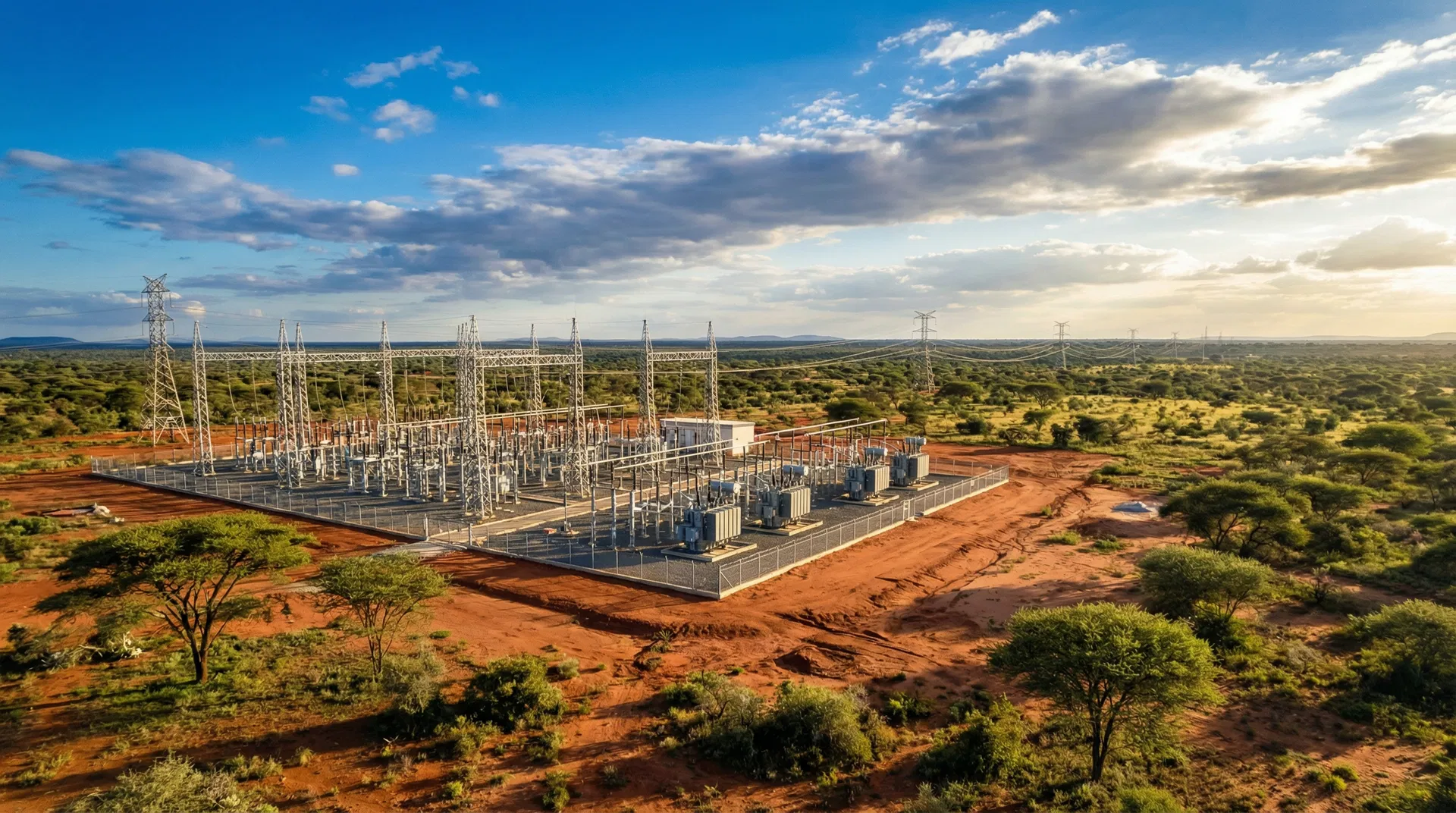
Powering Africa's Future: Distribution Transformer Opportunities in Emerging Markets
Introduction
Africa stands at a critical juncture, poised for unprecedented growth yet grappling with a profound energy deficit. The continent, home to over 1.4 billion people, presents both the greatest challenge and the most significant opportunity in global electrification. While significant strides have been made, particularly in North Africa, Sub-Saharan Africa continues to lag, with hundreds of millions still lacking access to reliable electricity. This pervasive energy poverty stifles economic development, limits educational opportunities, and impedes healthcare access, underscoring the urgent need for massive infrastructure investment. For manufacturers of essential grid components like distribution transformers, Africa represents a burgeoning market driven by a fundamental human need and ambitious national development agendas. The scale of the infrastructure gap necessitates a sustained, multi-decade effort, creating a robust and expanding demand for high-quality, resilient power equipment. This article delves into the intricacies of Africa's power landscape, highlighting the immense opportunities for distribution transformer manufacturers and outlining the critical considerations for success in these dynamic emerging markets.
The Scale of Africa's Power Infrastructure Gap
The statistics paint a stark picture of Africa's energy reality. According to the International Energy Agency (IEA) and the World Bank, approximately 600 million people in Sub-Saharan Africa still live without access to electricity. This figure represents over three-quarters of the global population lacking electricity access. While North African countries like Egypt, Morocco, and Tunisia boast near-universal electrification rates, the average for Sub-Saharan Africa hovers around 48%, with some nations experiencing rates as low as 10-20%. The IEA projects that achieving universal electricity access in Africa by 2030 would require an annual investment of approximately $27 billion, with a significant portion dedicated to grid expansion and reinforcement. The sheer volume of new connections needed, coupled with the imperative to upgrade and expand existing, often dilapidated infrastructure, translates directly into a massive demand for distribution transformers. These essential components form the backbone of any electrical grid, stepping down high-voltage power to levels usable by homes, businesses, and industries. Without a robust and extensive network of distribution transformers, the ambitious electrification targets set by African governments and international development partners will remain elusive. The continent's rapid population growth further exacerbates this challenge, meaning that even with current connection rates, the absolute number of people without electricity could remain stubbornly high if investment does not accelerate dramatically.
Key Market Drivers
Several powerful forces are converging to drive the demand for distribution transformers across Africa. Rapid urbanization and population growth are perhaps the most fundamental. Africa's urban population is projected to double by 2050, adding hundreds of millions of new city dwellers who will require electricity for homes, businesses, and public services. This necessitates the construction of entirely new urban grids and the expansion of existing ones. Simultaneously, renewable energy leapfrogging is transforming the energy landscape. Many African nations are bypassing traditional fossil fuel-based power generation, directly adopting utility-scale solar farms, wind projects, and decentralized solar mini-grids. These renewable energy sources, often located far from existing load centers, require extensive new transmission and distribution infrastructure, including a proliferation of distribution transformers to integrate power into local grids.
Government electrification programs are also playing a pivotal role. Initiatives like Kenya's Vision 2030, Nigeria's Electrification Project, Ghana's Rural Electrification Project, and South Africa's Integrated Resource Plan all include ambitious targets for increasing electricity access and expanding grid infrastructure. These programs often involve significant public procurement of electrical equipment. Furthermore, substantial Chinese and Western infrastructure investment is pouring into the continent. China's Belt and Road Initiative (BRI) includes numerous power projects, while Western initiatives like the US Power Africa program and various European development banks are channeling billions into the African energy sector. These investments frequently involve the construction of new power plants, transmission lines, and distribution networks, all requiring a steady supply of transformers. Lastly, industrial growth and the mining sector demand contribute significantly. As African economies diversify and industrialize, and as the continent's vast mineral resources continue to be exploited, there is a growing need for reliable, high-quality power to fuel factories, processing plants, and mining operations, often in remote locations, necessitating robust distribution solutions.
Technical Requirements for Emerging Market Transformers
Operating distribution transformers in Africa's diverse and often challenging environments demands specific technical considerations that go beyond standard designs. The continent experiences extreme heat, with ambient temperatures frequently exceeding 40°C in many regions. This necessitates transformers with superior thermal management capabilities, designed to dissipate heat efficiently and maintain optimal operating temperatures to prevent premature aging of insulation and winding failures. High dust levels, particularly in arid and semi-arid regions, pose a significant threat to external components and cooling systems, requiring robust, sealed designs and appropriate surface finishes to prevent accumulation and degradation. High humidity and corrosive atmospheres, prevalent in coastal areas and tropical regions, demand the use of corrosion-resistant materials, specialized coatings, and hermetically sealed tanks to prevent moisture ingress and oxidation, which can severely compromise transformer longevity and performance.
Furthermore, poor road infrastructure for transport is a critical factor. Transformers must be designed to withstand significant shocks and vibrations during transportation over rough terrain. This often means reinforced tank construction, robust lifting lugs, and secure internal bracing to prevent damage to windings and core assemblies. Limited maintenance capabilities in many remote areas necessitate transformers that are inherently reliable, require minimal maintenance, and are designed for extended operational life without frequent interventions. Features such as hermetically sealed tanks eliminate the need for regular oil sampling and maintenance, while robust tap changers and bushings are crucial. Seatrust, with its extensive experience in African markets, understands these unique challenges. Our pad-mounted and pole-mounted transformers are engineered with these conditions in mind, featuring heavy-duty construction, high-quality insulation materials, and corrosion-resistant finishes to ensure optimal performance and longevity in even the harshest African environments. Our commitment to UL/CSA/KEMA certified products underscores our dedication to robust, reliable engineering tailored for demanding applications.
Distribution Transformer Standards in Africa
Navigating the landscape of technical standards is paramount for any transformer manufacturer operating in Africa. The continent presents a complex mix of adopted standards, primarily revolving around IEC (International Electrotechnical Commission) and, to a lesser extent, ANSI/IEEE (American National Standards Institute/Institute of Electrical and Electronics Engineers). Most Sub-Saharan African countries, particularly those with a British colonial legacy, tend to adhere to IEC standards, which are widely recognized globally. However, some nations, influenced by American investment or historical ties, may incorporate elements of ANSI/IEEE standards or have specific requirements derived from them.
Beyond these broad categories, country-specific requirements and the role of local utilities in setting specifications are crucial. Each national utility, such as Kenya Power and Lighting Company (KPLC), Eskom in South Africa, or the Electricity Company of Ghana (ECG), will have its own detailed technical specifications for distribution transformers. These specifications often build upon IEC or ANSI/IEEE but include additional clauses related to local environmental conditions, specific voltage levels, preferred materials, testing protocols, and even aesthetic considerations. For instance, a utility might specify a particular type of bushing, a specific paint color, or unique mounting arrangements to suit their existing infrastructure.
Seatrust's expertise in navigating multi-standard requirements is a significant advantage. With ISO 9001:2015 certification and a track record of exporting to over 40 countries, including numerous African nations, we have developed a flexible manufacturing process and a deep understanding of diverse technical specifications. Our engineering team is adept at interpreting and complying with a wide array of standards, ensuring that our dry-type transformers, pad-mounted transformers, and pole-mounted transformers meet the precise needs of each client. This adaptability, coupled with our commitment to international certifications like KEMA, ensures that Seatrust products are not only technically compliant but also reliable and safe for operation within Africa's varied regulatory frameworks.
Seatrust's Track Record in African Markets
Seatrust has established a formidable presence and a reputation for reliability in African markets since its inception in 1993. Our commitment to quality and understanding of local needs has enabled us to successfully supply power equipment to a growing number of countries across the continent. A notable example of our impact includes a significant order for the Burundi Electricity Authority, where we supplied not only distribution transformers but also associated infrastructure components like steel poles and MV cables, demonstrating our capability to deliver comprehensive power solutions. This project underscored our ability to manage complex logistics and provide integrated packages crucial for developing grids.
Beyond Burundi, Seatrust has successfully executed numerous shipments to Kenya and Liberia, contributing directly to their national electrification efforts. In Kenya, our transformers are helping to expand the grid to connect new communities and support industrial growth. In Liberia, a country rebuilding its infrastructure, our robust and reliable transformers are vital for ensuring stable power supply. These successes are not merely about product delivery; they are a testament to how Seatrust has actively built strong, enduring relationships with African utilities and EPC contractors. We engage closely with local stakeholders, understanding their specific challenges, technical requirements, and long-term development goals. This collaborative approach allows us to tailor our offerings, from custom transformer designs to flexible delivery schedules, ensuring maximum value and operational efficiency for our clients.
Our certification and compliance advantages are also key differentiators. Being UL/CSA/KEMA certified provides an assurance of quality and safety that is highly valued by African utilities and international funding agencies. Our ISO 9001:2015 certification further demonstrates our commitment to rigorous quality management throughout the manufacturing process. With over 20,000 units delivered globally since 1993, and a significant portion of these contributing to African grids, Seatrust is a proven, trusted partner in Africa's energy transformation. Our experience in diverse African environments, coupled with our adherence to international standards, positions us as a leading provider of distribution transformers for the continent's future power needs.
Financing and Procurement Challenges
Understanding the financing and procurement landscape is crucial for any transformer manufacturer aiming to succeed in African markets. The procurement of electrical equipment by African utilities is a multifaceted process, often influenced by international development agencies, bilateral agreements, and national budgetary constraints. A significant portion of large-scale infrastructure projects, including grid expansion and upgrades, are financed through World Bank tenders and other multilateral development banks like the African Development Bank (AfDB). These tenders are highly competitive, requiring manufacturers to meet stringent technical specifications, demonstrate financial stability, and adhere to specific procurement guidelines, often emphasizing transparency and best value.
Furthermore, bilateral loans from countries like China, India, and various European nations play a substantial role. These loans often come with conditions that may favor manufacturers from the lending country, but they also create opportunities for international suppliers who can demonstrate competitive pricing and adherence to local content requirements or technology transfer initiatives. Government procurement through national budgets also contributes to demand, particularly for smaller, localized projects or emergency replacements. However, these can sometimes be subject to political influences and varying levels of transparency.
For transformer manufacturers entering these markets, several tips are essential. Firstly, proactive engagement with consultants and EPC contractors involved in World Bank or AfDB-funded projects is vital. These entities often influence specifications and supplier selection. Secondly, understanding local content requirements and exploring partnerships with local companies can be a significant advantage, as many African governments are keen on fostering local industrial development. Thirdly, offering flexible financing solutions or working with export credit agencies can make a manufacturer's bid more attractive. Finally, building strong relationships with national utilities and demonstrating a long-term commitment to the market, rather than a transactional approach, is paramount. Seatrust's experience in navigating these complex procurement environments, coupled with our competitive pricing and adherence to international quality standards, enables us to consistently win tenders and supply critical equipment across Africa.
The Road Ahead: Renewable Energy and Grid Modernization
Africa's energy future is inextricably linked to the global energy transition, and this will profoundly drive demand for distribution transformers. The continent is uniquely positioned to leapfrog traditional fossil fuel-based development and embrace renewable energy sources on a massive scale. This shift will accelerate the need for advanced grid infrastructure, with distribution transformers playing a central role. Solar-plus-storage projects, ranging from utility-scale plants to decentralized mini-grids, are becoming increasingly prevalent. These systems require specialized transformers capable of handling bi-directional power flow, integrating with battery storage systems, and managing fluctuating renewable energy inputs. Seatrust's expertise in manufacturing diverse transformer types, including those suitable for renewable energy integration, positions us well to meet this evolving demand.
The proliferation of mini-grids in rural and peri-urban areas is another significant trend. These localized grids, often powered by solar PV, hydro, or biomass, require numerous distribution transformers to step down power for local consumption, effectively creating new, localized distribution networks where none existed before. The role of distribution transformers in enabling this decentralized energy future cannot be overstated; they are the critical link between the generation source and the end-user, ensuring stable and reliable power delivery.
Looking ahead to the 2030 and 2050 outlooks, the demand for distribution transformers in Africa is set to skyrocket. The IEA projects that Africa will account for a significant portion of new electricity demand growth globally. Achieving universal access and supporting industrialization will require not only expanding the grid but also modernizing existing infrastructure. This includes replacing aging transformers with more efficient models, integrating smart grid technologies, and building resilience against climate change impacts. Seatrust, with its robust and efficient pad-mounted, pole-mounted, and dry-type transformers, is perfectly aligned with these trends. Our commitment to innovation, quality, and understanding the specific needs of African markets ensures that we will continue to be a vital partner in powering Africa's sustainable and prosperous future, contributing to the continent's ambitious energy goals for decades to come.
Share this article
Related Articles
Eco-Friendly Transformers: Pioneering Sustainable Power Grids
The power industry is embracing sustainability, with eco-friendly transformer manufacturing at the forefront. This article delves into the critical role of sustainable materials, energy-efficient designs, and responsible production practices in shapi
Digital Transformation: Revolutionizing Power Distribution Networks
The power distribution landscape is undergoing a profound digital transformation, driven by smart grid technologies, IoT, and AI. This article delves into the trends, challenges, and opportunities shaping modern grids, highlighting Seatrust's role in
Renewable Energy's Surge: A Catalyst for Distribution Transformer Demand
The global energy landscape is undergoing a monumental shift towards renewables, creating an unprecedented surge in demand for critical grid infrastructure, particularly distribution transformers. This article delves into the intricate relationship b