
Energy Efficiency Standards: Reshaping Transformer Design for a Sustainable Future
The global push for energy efficiency is fundamentally reshaping the design and manufacturing of power and distribution transformers. This article delves into the critical impact of these standards, examining regulatory landscapes, technical innovati
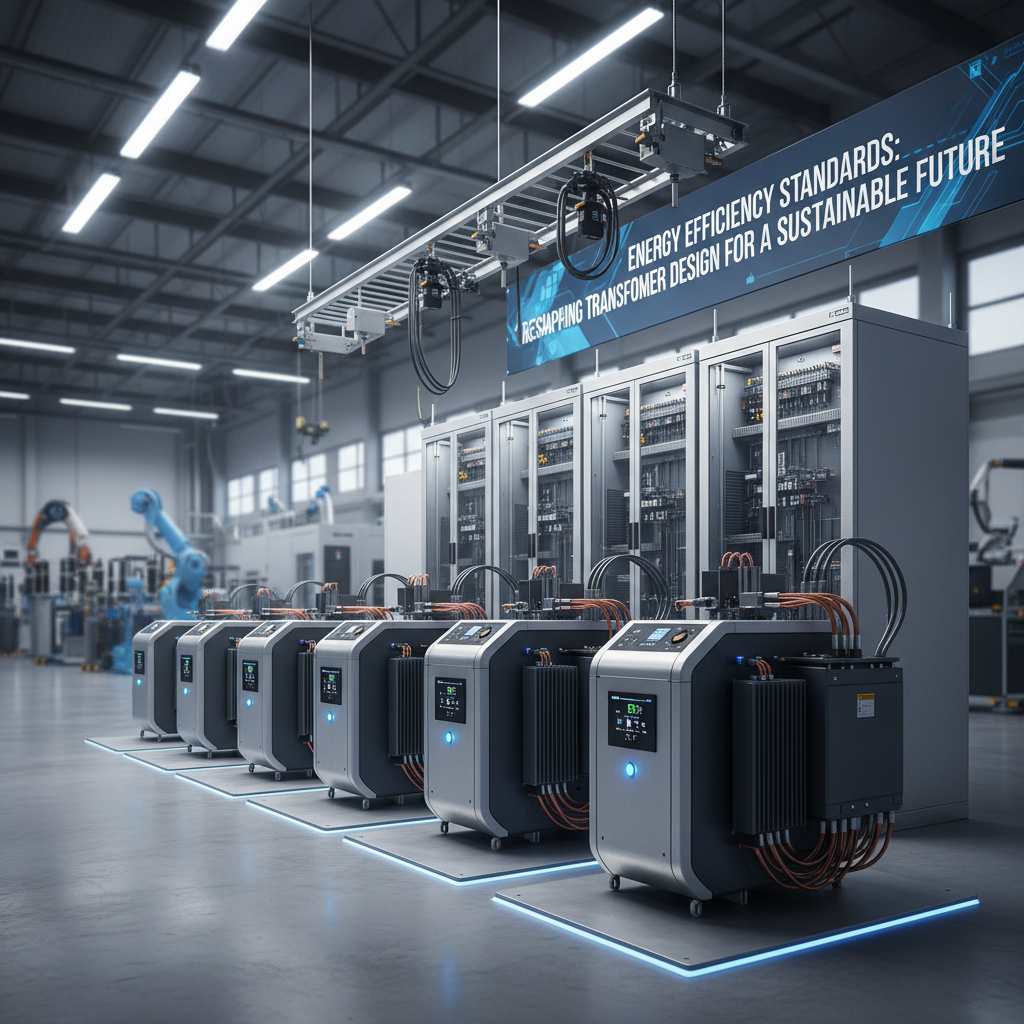
Energy Efficiency Standards: Reshaping Transformer Design for a Sustainable Future
In an era defined by climate change concerns and the imperative for sustainable development, energy efficiency has emerged as a cornerstone of global policy and technological innovation. At the heart of our electrical grids, transformers – often considered silent workhorses – play a pivotal role. Their efficiency, or lack thereof, has a profound impact on energy consumption, operational costs, and environmental footprints. Consequently, energy efficiency standards for transformers have become increasingly stringent worldwide, driving a fundamental transformation in their design, manufacturing, and application. This article will explore the evolving landscape of these standards, their technical implications for transformer design, the challenges and opportunities they present, and how manufacturers like Seatrust are leading the charge towards a more efficient and sustainable electrical infrastructure.
The Global Imperative for Transformer Efficiency: Regulatory Landscape and Drivers
The push for higher efficiency in transformers is not merely a technical pursuit; it's a global mandate driven by economic, environmental, and energy security concerns. Transformers are ubiquitous in power systems, from generation plants to industrial facilities and residential areas. Even small efficiency improvements across millions of units can translate into massive energy savings annually.
Key Drivers:
- Economic Savings: Energy losses in transformers represent wasted electricity, leading to higher operational costs for utilities and end-users. Reducing these losses directly impacts profitability and consumer bills.
- Environmental Impact: The majority of electricity generation still relies on fossil fuels. Minimizing energy losses in transformers reduces the demand for electricity, thereby lowering greenhouse gas emissions and mitigating climate change.
- Grid Reliability and Capacity: Lower losses mean less heat generation, extending transformer lifespan and reducing the strain on cooling systems. It also frees up generation capacity that would otherwise be lost in transmission and distribution.
- Resource Conservation: Efficient transformers consume fewer raw materials over their lifetime due to extended operational periods and reduced need for replacements.
Regulatory Frameworks:
Governments and international bodies have responded to these drivers by implementing progressively stricter efficiency standards. These regulations typically define minimum efficiency levels that new transformers must meet before being placed on the market. Some of the most influential standards include:
- IEC 60076-11 (Dry-Type) and IEC 60076-1 (Liquid-Immersed): The International Electrotechnical Commission (IEC) provides global benchmarks, with various loss classes (e.g., A0, Ak, Ao, Bo, Bk) specifying maximum no-load and load losses. Recent revisions push for even lower losses.
- EU Ecodesign Regulation (EU 548/2014, amended by EU 2019/1783): This regulation sets mandatory minimum efficiency levels for medium power transformers placed on the European market. It introduced Tier 1 (effective 2015) and Tier 2 (effective 2021) requirements, significantly tightening loss limits for both liquid-immersed and dry-type transformers. For instance, Tier 2 requires a substantial reduction in both no-load and load losses compared to previous standards.
- U.S. Department of Energy (DOE) Standards: The DOE has regularly updated its efficiency standards for distribution transformers (e.g., 10 CFR Part 431). The latest iteration, effective January 1, 2016, and proposed updates for 2027, mandates higher efficiency levels, particularly impacting liquid-immersed and dry-type distribution transformers. These standards often specify minimum efficiency values at 50% loading for various kVA ratings.
- CSA C802.1 (Canada): Similar to DOE standards, CSA C802.1 defines minimum efficiency performance levels for various transformer types in Canada.
- Other National Standards: Countries like China (GB standards), India (BIS standards), Australia/New Zealand (AS/NZS standards), and many others have their own national efficiency regulations, often harmonizing with or drawing inspiration from IEC or regional benchmarks.
These regulations are not static; they are continually reviewed and updated to reflect technological advancements and increasing environmental urgency. The trend is unequivocally towards higher efficiency classes, often requiring significant redesigns rather than incremental improvements.
Technical Innovations and Design Paradigms for High-Efficiency Transformers
Meeting the escalating efficiency standards demands innovative approaches to transformer design and material selection. The primary goal is to minimize two main types of losses: no-load losses (core losses) and load losses (winding losses).
1. Minimizing No-Load Losses (Core Losses):
No-load losses occur continuously as long as the transformer is energized, regardless of the load. They are primarily due to hysteresis and eddy currents in the core material.
- Advanced Core Materials: The most significant innovation here is the widespread adoption of Amorphous Metal Cores (AMDTs) and Grain-Oriented Electrical Steel (GOES) with superior magnetic properties. Amorphous metals, characterized by their non-crystalline atomic structure, exhibit significantly lower hysteresis and eddy current losses compared to conventional silicon steel. While more expensive and sometimes challenging to manufacture, AMDTs can reduce no-load losses by 60-70% compared to traditional GOES. High-grade GOES, such as laser-scribed or domain-refined materials, also offers substantial improvements over standard grades.
- Optimized Core Design: Designers employ sophisticated magnetic simulation software to optimize core geometry, lamination thickness, and stacking techniques. Stepped-lap joints, mitered joints, and reduced air gaps minimize flux leakage and improve magnetic path efficiency. The goal is to ensure uniform flux distribution and reduce localized hot spots.
- Manufacturing Precision: Automated core stacking and winding processes ensure tighter tolerances, reducing air gaps and mechanical stresses that can degrade core performance.
2. Minimizing Load Losses (Winding Losses):
Load losses, also known as I²R losses, are dissipated in the windings due to the resistance of the conductors and vary with the square of the load current.
- Conductor Material and Cross-Section: The primary method to reduce load losses is to increase the cross-sectional area of the windings, thereby lowering their resistance. This often means using larger diameter copper or aluminum conductors. Copper, with its higher conductivity, is generally preferred for high-efficiency designs, though aluminum is used for cost-effectiveness in some applications.
- Winding Configuration: Optimized winding arrangements, such as interleaved or spiral windings, minimize leakage flux and improve current distribution, reducing stray losses. Transposed conductors (e.g., Continuously Transposed Cable - CTC) are used in larger power transformers to reduce eddy current losses within the windings themselves.
- Temperature Management: Efficient cooling systems (e.g., optimized oil ducts, improved fin designs for liquid-immersed transformers, or advanced ventilation for dry-type units) help maintain lower operating temperatures, which in turn reduces winding resistance and extends insulation life.
- Harmonic Mitigation: In environments with significant harmonic distortion (e.g., industrial facilities with variable frequency drives), specialized winding designs or K-factor rated transformers are employed to mitigate additional losses caused by non-sinusoidal currents.
3. Other Design Considerations:
- Insulation Systems: High-quality insulation materials with excellent dielectric strength and thermal properties are crucial for reliable operation and compact design. For dry-type transformers, materials like Nomex® or specialized resins allow for higher operating temperatures and smaller footprints while maintaining safety and efficiency.
- Tank and Enclosure Design: For liquid-immersed transformers, optimized tank designs and radiator configurations enhance cooling efficiency. For dry-type units, robust enclosures (e.g., NEMA 3R for outdoor use) protect against environmental factors while allowing adequate ventilation.
- Manufacturing Processes: Advanced manufacturing techniques, including vacuum casting for dry-type transformers and precision winding machines, ensure consistent quality and minimize defects that could lead to losses.
Challenges and Opportunities for Transformer Manufacturers
The stringent efficiency standards present both significant challenges and compelling opportunities for transformer manufacturers.
Challenges:
- Increased Material Costs: Higher-grade core materials (amorphous metal, high-permeability GOES) and larger conductor cross-sections (copper) significantly increase the cost of raw materials. This can lead to higher upfront costs for the end-user, requiring a strong emphasis on lifecycle cost analysis (LCCA) to demonstrate long-term savings.
- Larger Footprint and Weight: To achieve lower losses, transformers often require more core material and conductor, leading to increased physical size and weight. This can pose challenges for installation space, transportation, and structural requirements, particularly for retrofit projects.
- Design Complexity: Optimizing for efficiency involves complex electromagnetic and thermal simulations, requiring advanced engineering expertise and software tools. Balancing efficiency with other performance parameters like short-circuit withstand capability, noise levels, and cost is a delicate act.
- Manufacturing Investment: Producing high-efficiency transformers often necessitates investments in new machinery, tooling, and quality control processes. For example, handling brittle amorphous metal ribbons requires specialized equipment.
- Market Education: Convincing customers to invest in higher-cost, high-efficiency transformers requires clear communication of the total cost of ownership (TCO) and the long-term economic and environmental benefits.
Opportunities:
- Competitive Advantage: Manufacturers who successfully adapt and innovate in high-efficiency transformer design gain a significant competitive edge in a market increasingly prioritizing sustainability and operational savings.
- New Market Segments: The growth of renewable energy (solar, wind), data centers, and electric vehicle charging infrastructure creates a strong demand for highly efficient, reliable transformers tailored to specific application needs.
- Technological Leadership: Investing in R&D for new materials (e.g., nanocrystalline alloys), advanced cooling techniques, and smart transformer technologies positions manufacturers as industry leaders.
- Sustainability Branding: Producing energy-efficient products enhances a company's reputation and aligns with global sustainability goals, appealing to environmentally conscious customers and investors.
- Global Market Expansion: Meeting international efficiency standards opens doors to global markets, as compliance is a prerequisite for entry into many regions.
Seatrust's Commitment to High-Efficiency Transformer Solutions
As a leading transformer manufacturer established in 1993, Seatrust has consistently embraced innovation to meet and exceed evolving industry standards. Our commitment to producing high-quality, energy-efficient transformers is integral to our mission of powering a sustainable future.
How Seatrust Addresses Efficiency Standards:
- Advanced Material Selection: Seatrust meticulously selects high-grade core materials, including premium Grain-Oriented Electrical Steel (GOES) and, where specified, amorphous metal cores, to minimize no-load losses in our pad-mounted, pole-mounted, and dry-type transformers. Our engineering team continuously evaluates the latest material advancements to ensure optimal performance.
- Optimized Design Methodologies: Leveraging state-of-the-art design software and extensive experience, our engineers develop transformer designs that balance efficiency, reliability, and cost-effectiveness. We focus on optimizing winding configurations, conductor sizing, and core geometry to achieve the lowest possible losses while ensuring robust short-circuit withstand capabilities.
- Precision Manufacturing: Our UL/CSA certified and ISO 9001:2015 compliant manufacturing facilities employ advanced techniques for core stacking, coil winding, and assembly. For our dry-type transformers, we utilize vacuum pressure impregnation (VPI) or cast resin technologies to ensure superior insulation integrity and thermal performance, which directly contributes to efficiency and longevity.
- Customization for Specific Needs: Recognizing that different applications have unique requirements, Seatrust offers customized solutions. Whether it's a distribution transformer for a utility grid, a specialized unit for a renewable energy project, or a robust transformer for industrial applications, we design to meet specific efficiency targets (e.g., DOE 2016, EU Tier 2, CSA C802.1) and operational parameters.
- Quality Assurance and Testing: Every transformer manufactured by Seatrust undergoes rigorous testing in accordance with international standards (e.g., IEEE, IEC) to verify its performance, including no-load and load losses. This ensures that our products not only meet but often surpass the mandated efficiency requirements.
With over 20,000 units delivered and exports to 40+ countries, Seatrust's expertise in designing and manufacturing high-efficiency distribution transformers is well-established. Our product range, including pad-mounted, pole-mounted, and dry-type transformers, is engineered to provide reliable, energy-saving solutions for utilities, renewable energy developers, and industrial clients worldwide.
The Future of Transformer Efficiency: Beyond Current Standards
The journey towards greater energy efficiency in transformers is far from over. Future developments will likely push the boundaries even further:
- Even Stricter Regulations: Expect continued tightening of efficiency standards globally, potentially introducing new tiers or expanding the scope to include smaller or specialized transformer types.
- Smart Grid Integration: Transformers will become increasingly
Share this article
Related Articles
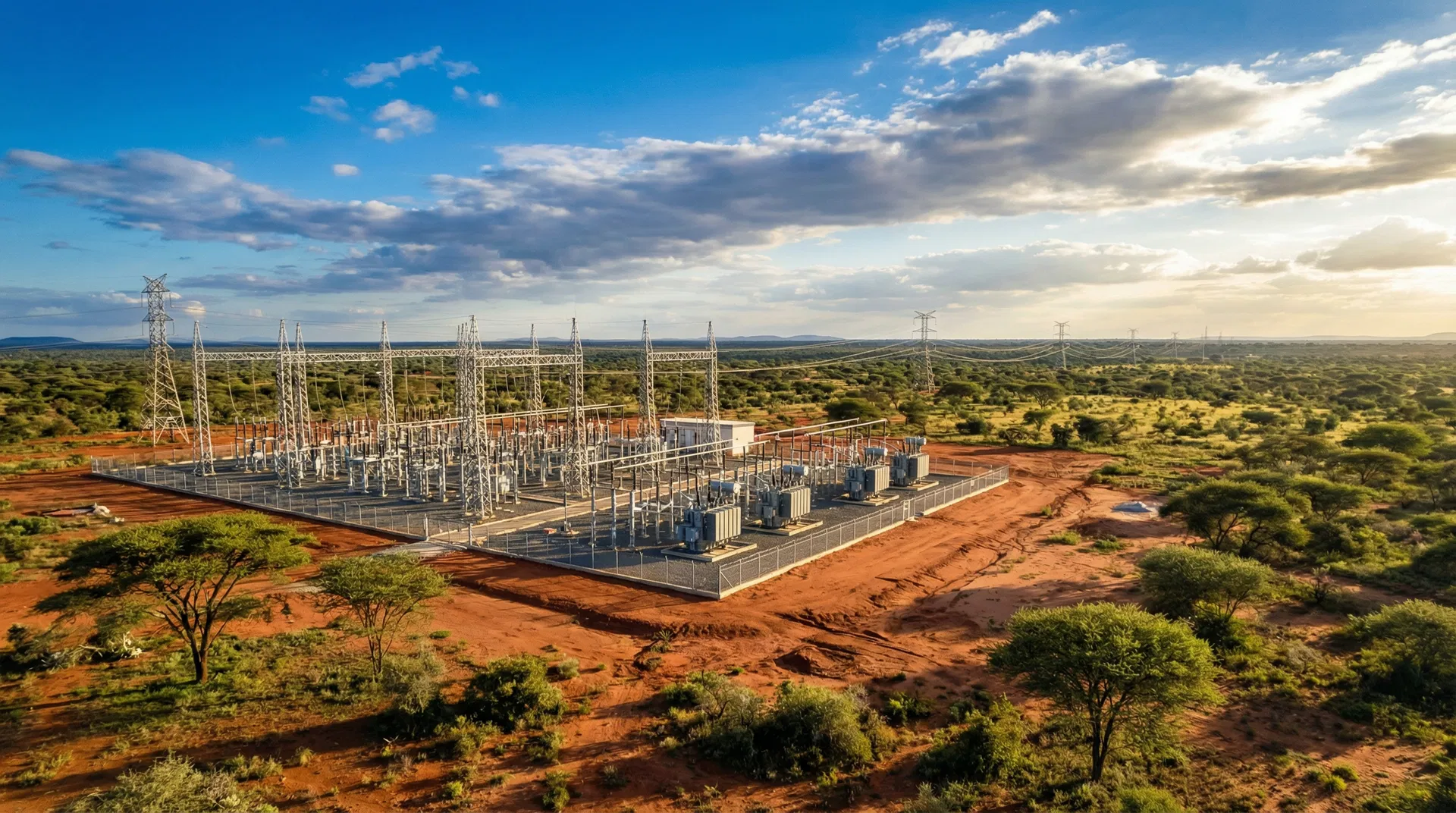
Powering Africa's Future: Distribution Transformer Opportunities in Emerging Markets
Africa is at a critical juncture, facing an energy deficit but poised for immense growth. This article delves into the significant opportunities for distribution transformers in the continent's emerging markets, highlighting their crucial role in pow
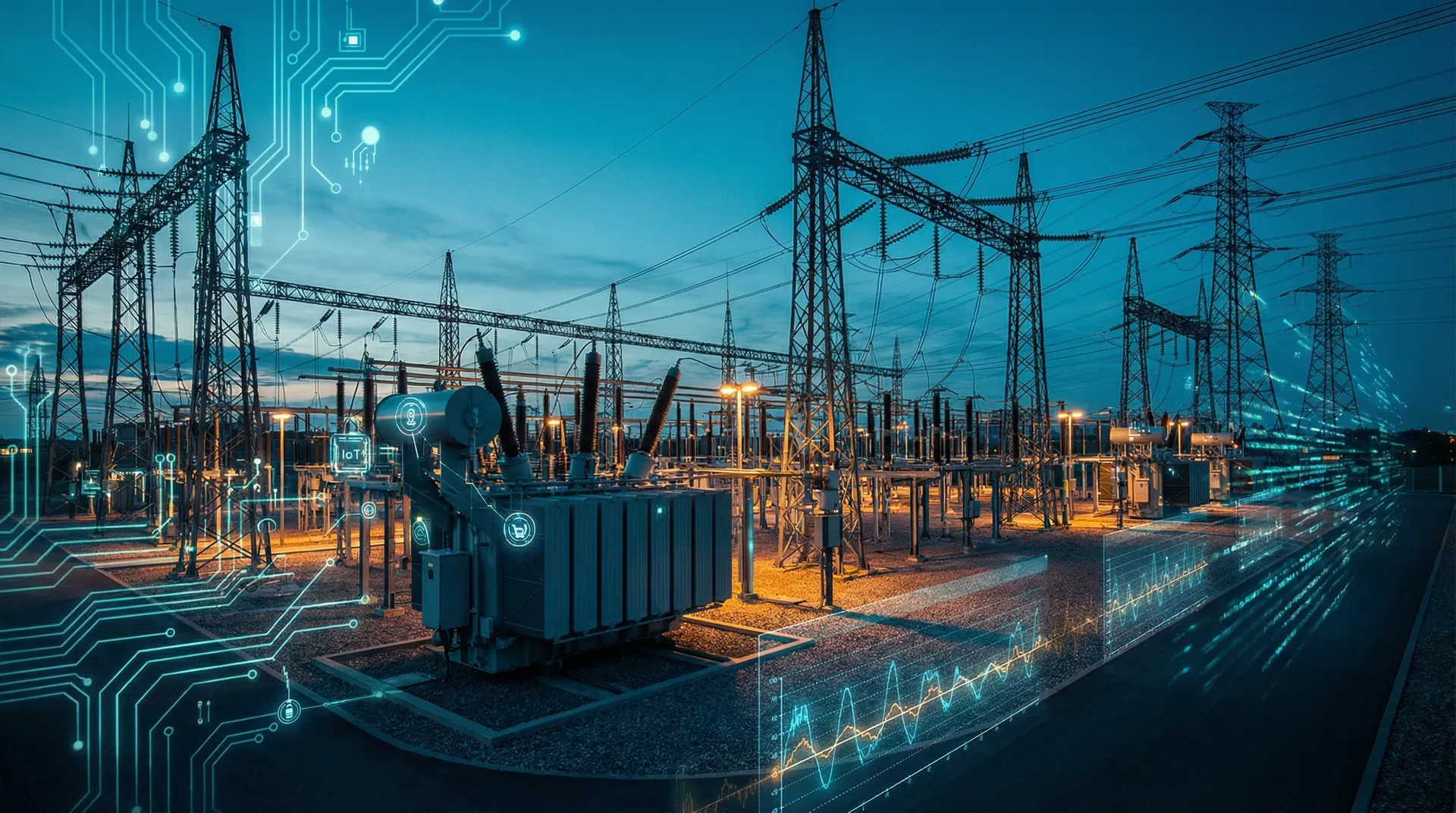
Smart Grid Technology and Advanced Transformer Condition Monitoring: Transforming Power Distribution
The global energy landscape is transforming with the smart grid at its core. This article delves into how smart grid technology and advanced transformer condition monitoring are crucial for optimizing power distribution, meeting escalating energy dem
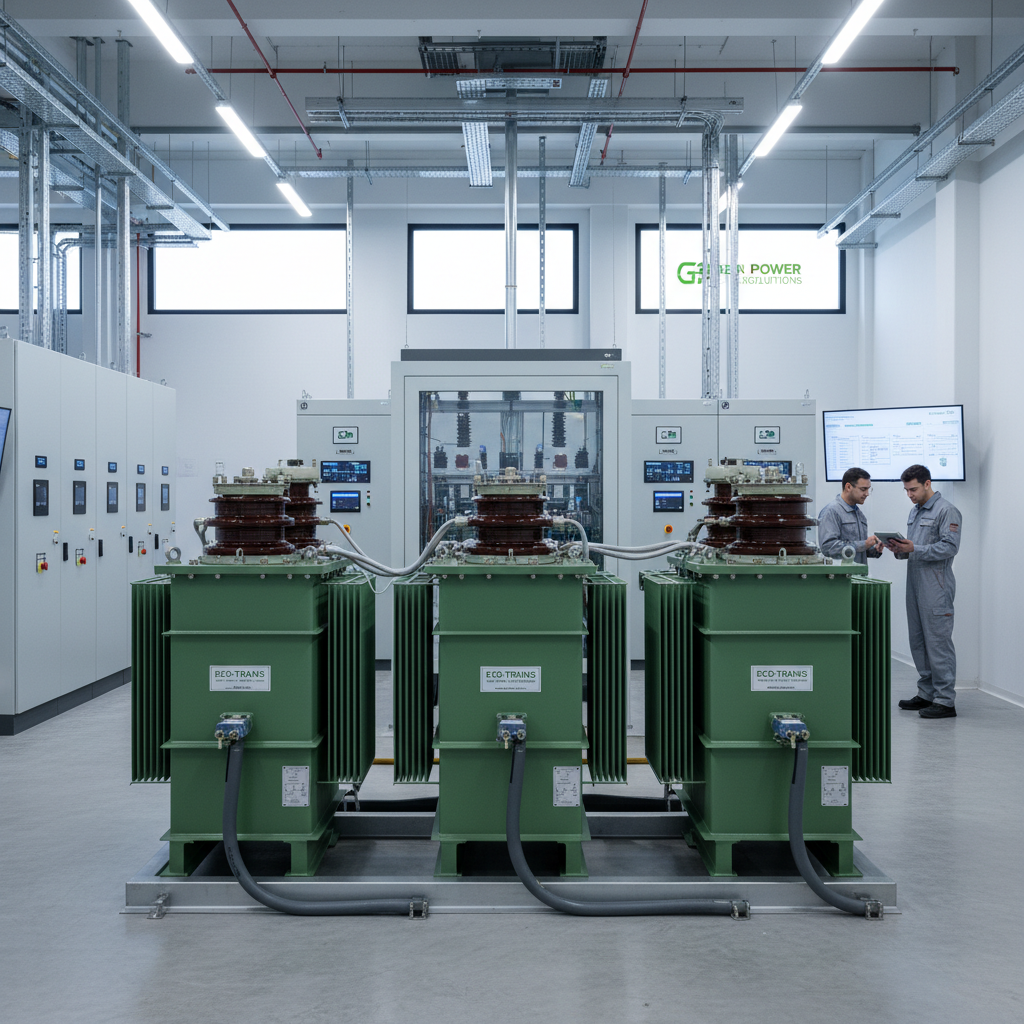
Eco-Friendly Transformers: Sustainable Manufacturing for a Greener Grid
The transformer industry is embracing sustainability, driven by environmental concerns and regulatory pressures. This article delves into eco-friendly materials, energy-efficient manufacturing, and lifecycle considerations, highlighting how these inn