
Transformer Classification by Phase: Single-Phase vs. Three-Phase
Understanding the differences between single-phase and three-phase transformers for power system design.

Transformer Classification by Phase
Phase configuration is a fundamental classification criterion for transformers, helping engineers make informed decisions about system efficiency and installation cost.
Single-Phase Transformers
Single-phase transformers operate with one alternating voltage waveform, suitable for rural electrification, residential distribution, and small commercial buildings.
Advantages: Lower cost, simpler installation, easier handling
Three-Phase Transformers
Three-phase transformers offer higher power density, improved efficiency, and better voltage regulation for industrial plants, data centers, and substations.
Selection Guidance
- Rural electrification → Single-phase
- Industrial zones → Three-phase
- Renewable energy → Three-phase
Share this article
Related Articles
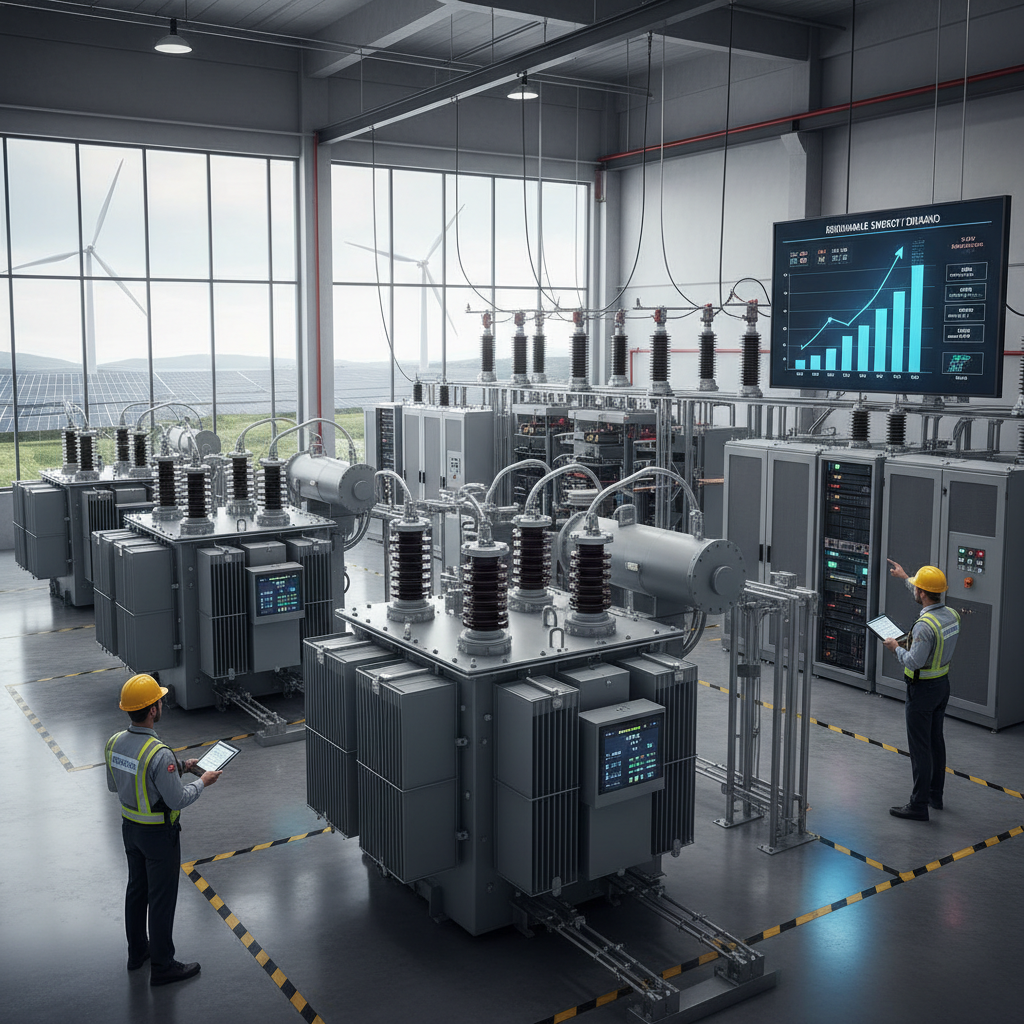
Renewable Energy's Surge: A Catalyst for Distribution Transformer Demand
The global energy landscape is undergoing a monumental transformation, with renewable sources like solar and wind power rapidly displacing traditional fossil fuels. This shift, driven by environmental mandates and economic viability, is profoundly im
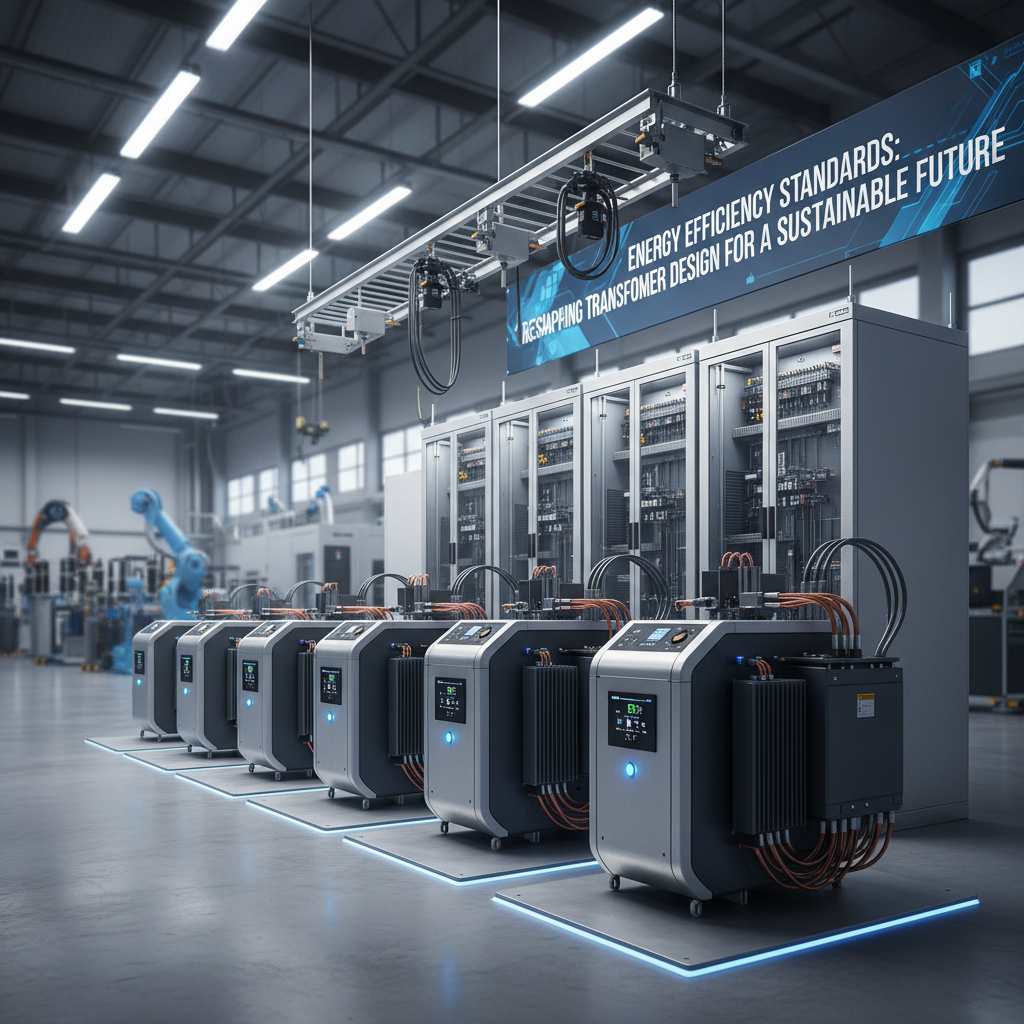
Energy Efficiency Standards: Reshaping Transformer Design for a Sustainable Future
The global push for energy efficiency is fundamentally reshaping the design and manufacturing of power and distribution transformers. This article delves into the critical impact of these standards, examining regulatory landscapes, technical innovati
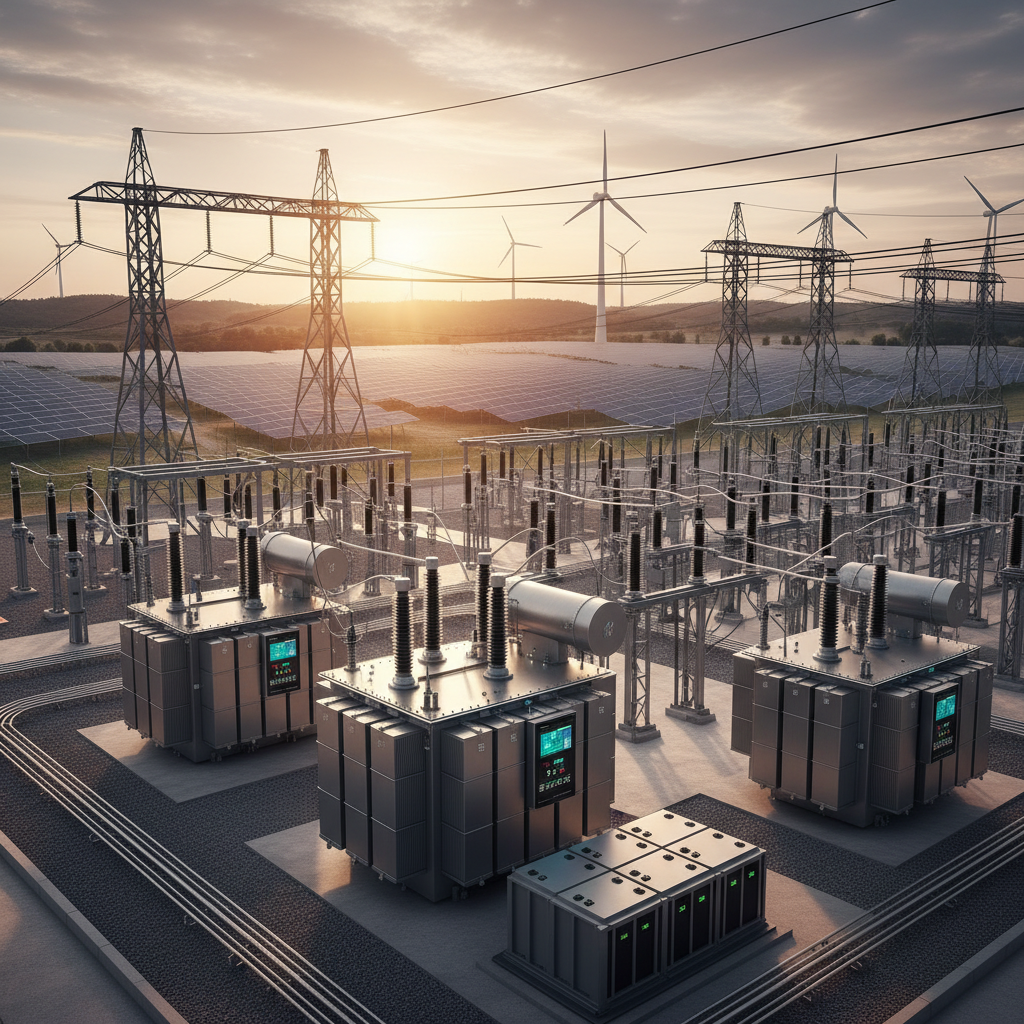
Renewable Energy's Surge: A Catalyst for Distribution Transformer Demand
The global energy landscape is rapidly transforming, driven by an unprecedented shift towards renewable sources. This transition is creating a significant surge in demand for critical grid infrastructure, particularly distribution transformers. This