
Renewable Energy's Surge: A Catalyst for Distribution Transformer Demand
The global energy landscape is undergoing a monumental transformation, with renewable sources like solar and wind power rapidly displacing traditional fossil fuels. This shift, driven by environmental mandates and economic viability, is profoundly im
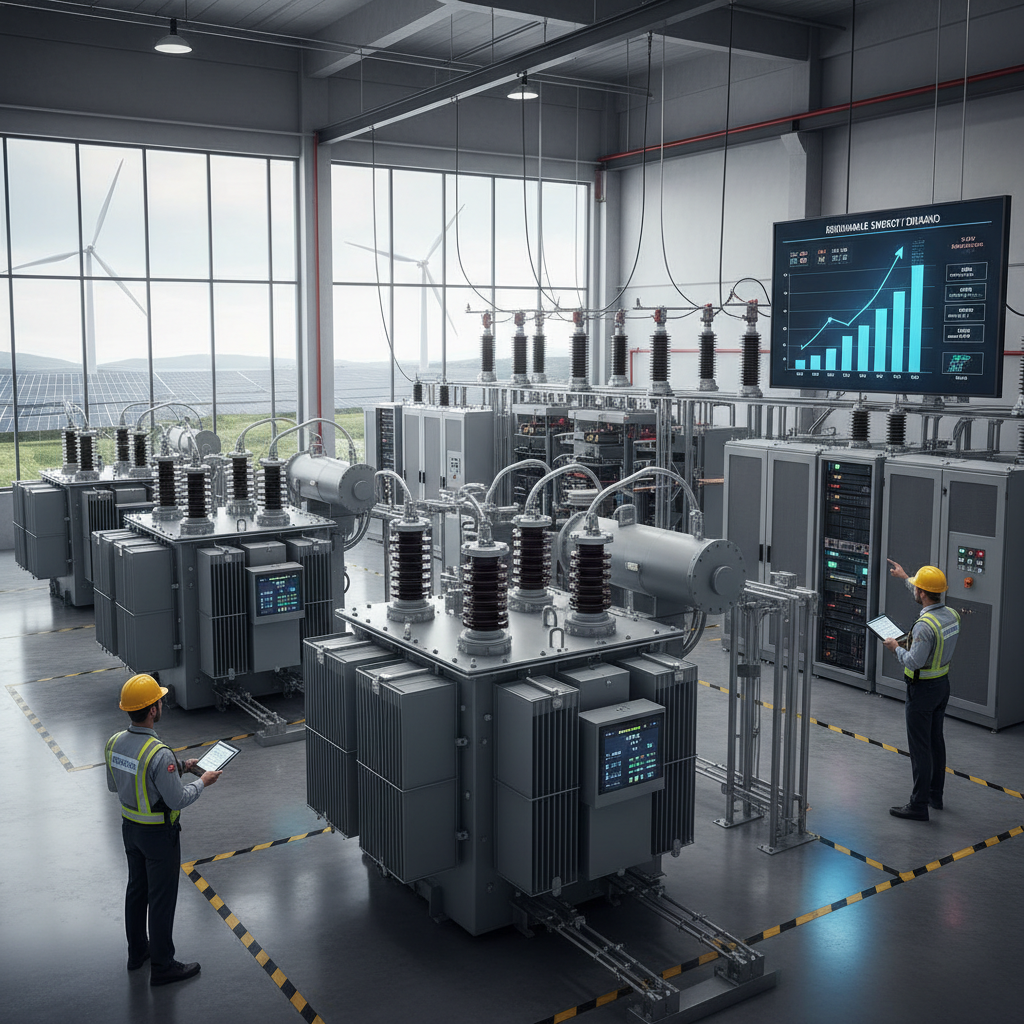
Renewable Energy's Surge: A Catalyst for Distribution Transformer Demand
The global energy landscape is undergoing a monumental transformation, with renewable sources like solar and wind power rapidly displacing traditional fossil fuels. This shift, driven by environmental mandates, technological advancements, and economic viability, is profoundly impacting electrical grids worldwide. At the heart of this evolution, often unseen but undeniably critical, is the distribution transformer. As decentralized generation proliferates and grids become smarter, the demand for reliable, efficient, and specialized distribution transformers is skyrocketing. This article delves into how renewable energy growth is not just influencing, but actively dictating, the future of distribution transformer technology and market dynamics.
The Renewable Revolution and Grid Modernization
The push for decarbonization has accelerated the deployment of renewable energy technologies at an unprecedented pace. According to the International Energy Agency (IEA), global renewable electricity capacity is set to surge by over 1,070 GW over the 2023-2028 period, with solar PV and wind accounting for 96% of this expansion. This massive influx of intermittent, often distributed, power generation presents both significant opportunities and complex challenges for existing electrical grids.
Traditional grids were designed for unidirectional power flow from large, centralized power plants to consumers. Renewable energy sources, particularly distributed generation like rooftop solar or community wind farms, introduce bidirectional power flow, voltage fluctuations, and power quality issues. To accommodate this, grids must be modernized, becoming more resilient, flexible, and intelligent. This modernization effort directly translates into an increased need for sophisticated grid infrastructure, with distribution transformers playing a pivotal role.
Distribution transformers are the final link in the power delivery chain, stepping down high voltage electricity from the transmission network to levels usable by homes, businesses, and industrial facilities. In the context of renewables, they also facilitate the integration of distributed generation into the grid. For instance, a solar farm connects to the grid via a step-up transformer, which then feeds into the distribution network. Similarly, battery energy storage systems (BESS) require transformers for grid connection. This fundamental change in grid architecture means that the number, type, and specifications of distribution transformers required are evolving rapidly.
Key Trends Driving Demand:
- Decentralized Generation: The rise of smaller-scale renewable projects, from utility-scale solar farms to residential rooftop PV, necessitates more connection points to the grid, each requiring appropriate transformer infrastructure.
- Grid Intermittency Management: Renewables like solar and wind are intermittent. To manage this, grids are incorporating more energy storage solutions (BESS), which themselves require dedicated transformers for efficient charging and discharging.
- Smart Grid Evolution: The development of smart grids, with advanced monitoring, control, and automation capabilities, relies on integrated components, including smart transformers, that can communicate and adapt to changing conditions.
- Electrification of Transport and Industry: The increasing adoption of electric vehicles (EVs) and the electrification of industrial processes add new loads to the distribution network, requiring capacity upgrades and new transformer installations.
- Aging Infrastructure Replacement: Many existing distribution transformers are nearing the end of their operational life. The opportunity to replace these with more efficient, renewable-ready units is a significant market driver.
Technical Demands on Distribution Transformers in the Renewable Era
The integration of renewable energy sources places new and stringent technical demands on distribution transformers. Beyond their traditional role of voltage transformation, these units must now contend with a more dynamic and often challenging electrical environment.
1. Efficiency and Loss Reduction: With a global focus on sustainability, energy efficiency is paramount. Transformers with lower no-load and load losses (e.g., meeting or exceeding DOE 2016, CSA C802.2, or IEC standards) are crucial for minimizing energy waste throughout the grid. Higher efficiency transformers reduce operational costs and contribute to a greener energy ecosystem, aligning perfectly with renewable energy goals. For example, Seatrust's UL/CSA certified transformers are designed with advanced core materials and winding techniques to achieve superior efficiency, directly supporting the economic and environmental objectives of renewable projects.
2. Bidirectional Power Flow Capability: Traditional transformers are optimized for unidirectional power flow. With distributed generation, power can flow from the grid to consumers, and also from local generators (like solar arrays) back into the grid. This bidirectional flow can introduce harmonics, voltage fluctuations, and potential saturation issues if transformers are not designed to handle it. Specialized designs, including those with enhanced insulation systems and robust winding configurations, are becoming standard.
3. Voltage Regulation and Stability: Intermittent renewable sources can cause voltage sags or swells. Transformers equipped with on-load tap changers (OLTC) or off-load tap changers (OLTC) are essential for maintaining stable voltage levels, ensuring power quality, and protecting sensitive equipment. The ability to dynamically adjust voltage is critical for grid stability in a renewable-heavy environment.
4. Harmonic Distortion Mitigation: Power electronic converters used in solar inverters, wind turbine generators, and EV chargers can introduce harmonic distortions into the grid. These harmonics can cause overheating in transformers, reduce their lifespan, and lead to power quality issues. Transformers designed for renewable applications often feature enhanced thermal management, higher impedance, or even integrated harmonic filtering capabilities to withstand these conditions.
5. Environmental Considerations: As renewable energy is inherently green, the components supporting it must also align with environmental principles. This includes the use of biodegradable dielectric fluids (e.g., natural esters) in liquid-filled transformers, which offer higher flash points and lower environmental impact compared to mineral oil. Dry-type transformers, like Seatrust's cast resin or VPI units, offer inherent fire safety and are ideal for sensitive indoor or urban renewable installations due to their minimal environmental footprint and lack of liquid coolants.
6. Robustness and Reliability: Renewable energy installations, particularly wind farms and utility-scale solar arrays, are often located in remote or harsh environments. Transformers deployed in these locations must be exceptionally robust, capable of withstanding extreme temperatures, high winds, and corrosive atmospheres. This demands superior materials, robust construction, and stringent testing protocols.
Seatrust's Role in Powering the Renewable Future
As a leading transformer manufacturer established in 1993, Seatrust is uniquely positioned to meet the evolving demands of the renewable energy sector. Our extensive experience and diverse product portfolio directly address the technical and operational challenges posed by grid modernization and renewable integration.
Pad-Mounted Transformers: Our UL/CSA certified pad-mounted transformers are ideal for utility-scale solar farms, wind power substations, and large commercial renewable projects. Their compact, tamper-resistant design makes them suitable for outdoor installations where safety and aesthetics are important. Available in both loop feed and radial feed configurations, and with options for natural ester fluids, they provide reliable and efficient voltage transformation for renewable energy collection circuits.
Pole-Mounted Transformers: For smaller distributed generation projects, rural renewable installations, or grid reinforcement in areas with high residential solar penetration, our pole-mounted transformers offer a cost-effective and flexible solution. They are designed for easy integration into existing overhead distribution networks, facilitating quicker deployment of renewable energy sources.
Dry-Type Transformers: Our dry-type transformers, including both cast resin and vacuum pressure impregnated (VPI) units, are perfectly suited for renewable energy applications requiring enhanced safety, minimal maintenance, and environmental sensitivity. These are particularly valuable for indoor solar inverter stations, battery energy storage system (BESS) enclosures, or within wind turbine nacelles where fire safety and environmental concerns are paramount. Their robust construction and ability to withstand harmonic stresses make them a reliable choice for power electronic-rich environments.
Seatrust's commitment to quality is underscored by our ISO 9001:2015 certification and our adherence to international standards. With over 20,000 units delivered and exports to 40+ countries, we have a proven track record of supplying reliable and efficient distribution transformers for diverse applications, including a growing portfolio of renewable energy projects. We work closely with renewable developers and utilities to provide custom-engineered solutions that optimize performance, minimize losses, and ensure seamless grid integration.
Challenges and Opportunities in the Transformer Market
The surge in renewable energy, while driving demand, also presents challenges for the transformer industry.
1. Supply Chain Constraints: The unprecedented demand, coupled with global supply chain disruptions, has led to extended lead times and increased costs for critical raw materials like electrical steel, copper, and insulating oils. This requires manufacturers to optimize production, diversify sourcing, and maintain robust inventory management.
2. Skilled Labor Shortage: The specialized nature of transformer manufacturing and installation requires a skilled workforce. The industry faces a challenge in attracting and retaining talent to meet the growing production needs.
3. Evolving Standards and Technology: The rapid pace of technological change in renewables necessitates continuous innovation in transformer design and manufacturing. Staying abreast of evolving grid codes, efficiency standards, and smart grid technologies is crucial.
Despite these challenges, the opportunities are immense. The market for distribution transformers is projected to grow significantly, with various reports indicating a compound annual growth rate (CAGR) of 5-7% over the next decade, largely fueled by renewable energy integration and grid modernization efforts. This growth presents an opportunity for manufacturers like Seatrust to innovate, expand capacity, and solidify their position as key enablers of the energy transition.
Furthermore, the increasing focus on energy resilience and grid hardening, especially in the face of climate change-induced extreme weather events, will drive demand for more robust, intelligent, and quickly deployable transformer solutions. The trend towards modular and standardized designs can also help streamline production and deployment, addressing some of the supply chain and lead time concerns.
The Road Ahead: Future Developments
The future of distribution transformers in a renewable-dominated grid will be characterized by several key developments:
- Smarter Transformers: Integration of advanced sensors, communication modules, and edge computing capabilities will transform traditional transformers into active grid assets. These
Share this article
Related Articles
Energy Efficiency Standards: Reshaping Transformer Design for a Sustainable Future
The global push for energy efficiency is fundamentally reshaping the design and manufacturing of power and distribution transformers. This article delves into the critical impact of these standards, examining regulatory landscapes, technical innovati
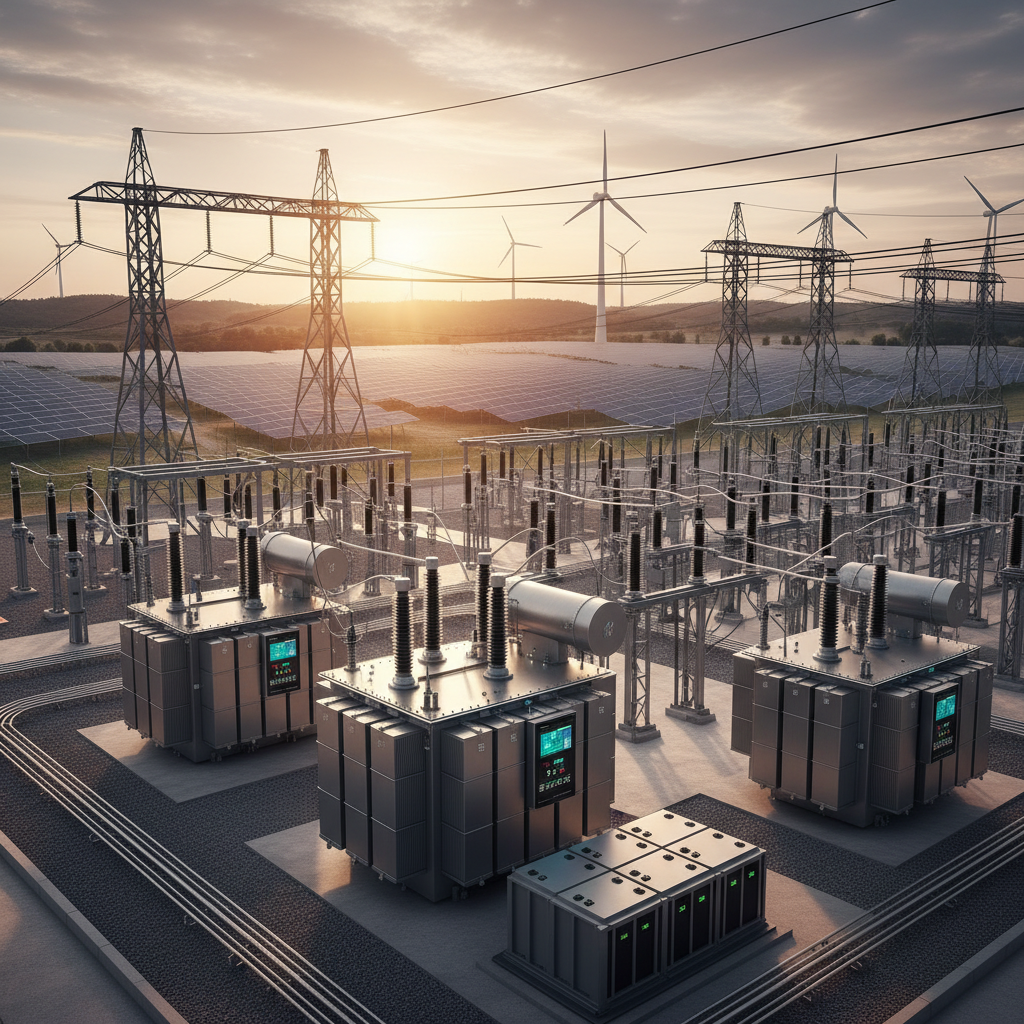
Renewable Energy's Surge: A Catalyst for Distribution Transformer Demand
The global energy landscape is rapidly transforming, driven by an unprecedented shift towards renewable sources. This transition is creating a significant surge in demand for critical grid infrastructure, particularly distribution transformers. This

Digital Transformation: Powering the Future of Distribution Networks
The energy sector is undergoing a profound digital transformation, reshaping how electricity is generated, distributed, and consumed. This article delves into the key technologies and trends driving this change in power distribution networks, highlig