
Renewable Energy's Surge: A Catalyst for Distribution Transformer Demand
The global energy landscape is rapidly transforming, driven by an unprecedented shift towards renewable sources. This transition is creating a significant surge in demand for critical grid infrastructure, particularly distribution transformers. This
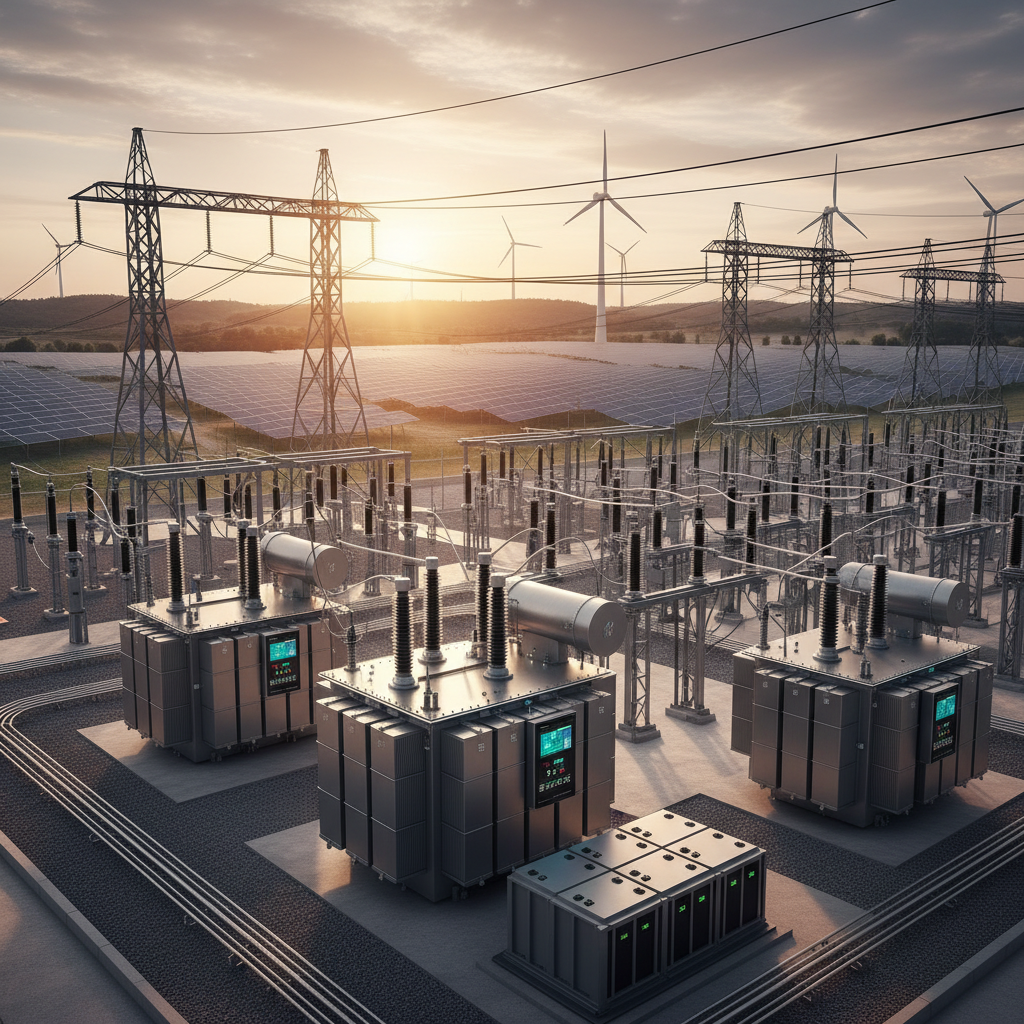
Renewable Energy's Surge: A Catalyst for Distribution Transformer Demand
The global energy panorama is undergoing a profound and irreversible transformation. Driven by urgent climate goals, technological advancements, and increasing economic viability, renewable energy sources such as solar and wind power are being integrated into national grids at an unprecedented pace. This monumental shift, while essential for a sustainable future, introduces complex challenges and significant opportunities for the electrical infrastructure sector, particularly for manufacturers of distribution transformers.
The integration of distributed generation, often located far from traditional load centers, necessitates a robust and intelligent grid capable of handling bidirectional power flow and variable generation. At the heart of this modernized grid lies the distribution transformer – a critical component responsible for stepping down voltage from the transmission or sub-transmission level to levels suitable for end-user consumption. As renewable energy projects proliferate, the demand for these vital pieces of equipment is experiencing a substantial surge, requiring innovative solutions, enhanced efficiency, and reliable supply chains.
Seatrust, with its nearly three decades of expertise in manufacturing high-quality pad-mounted, pole-mounted, and dry-type transformers, is at the forefront of this energy transition. Our UL/CSA certified and ISO 9001:2015 compliant products are designed to meet the rigorous demands of modern grids, supporting utilities, renewable energy developers, and industrial applications across more than 40 countries.
The Renewable Energy Boom and its Grid Implications
The growth trajectory of renewable energy is nothing short of remarkable. According to the International Energy Agency (IEA), global renewable electricity capacity is forecast to grow by more than 1,070 GW over the 2023-2028 period, with solar PV and wind accounting for 96% of this expansion. This rapid deployment brings several key implications for the electrical grid and, by extension, for distribution transformers:
1. Decentralization of Power Generation
Traditionally, power generation has been centralized in large power plants. Renewable energy, especially solar PV (rooftop and utility-scale) and smaller wind farms, often involves distributed generation (DG) closer to or within consumption areas. This paradigm shift requires a more localized and adaptable grid architecture. Each new solar farm, wind turbine, or even large commercial rooftop solar installation typically requires dedicated step-up transformers to connect to the medium-voltage grid, and often additional step-down transformers for local consumption or grid connection points.
2. Bidirectional Power Flow and Grid Modernization
With DG, power can flow not only from the grid to consumers but also from consumers (or prosumers) back to the grid. This bidirectional flow demands transformers designed for such conditions, often requiring enhanced insulation, thermal management, and sometimes smart grid functionalities. Modern distribution transformers must be robust enough to handle these dynamic load profiles and potential voltage fluctuations. The need for smart grid integration also means that transformers are increasingly equipped with sensors and communication capabilities to facilitate real-time monitoring and control.
3. Increased Interconnection Points
Every new renewable energy project, whether a utility-scale solar park or a community wind farm, represents a new interconnection point with the existing grid. Each of these points necessitates the installation of one or more distribution transformers to match voltage levels and ensure efficient power transfer. This directly translates to a higher volume demand for transformers across all voltage classes, particularly in the medium-voltage range (e.g., 15 kV, 25 kV, 35 kV).
4. Demand for Specialized Transformers
Renewable energy applications often require specific transformer characteristics. For instance:
- Inverter Duty Transformers: For solar PV and wind applications, transformers connected to inverters must handle harmonic distortions introduced by power electronics. These transformers are designed with higher K-factors or specific winding configurations to mitigate overheating and ensure longevity.
- Low-Loss Transformers: With a focus on energy efficiency and reducing operational costs, there's a strong push for transformers with lower no-load and load losses. This is critical for renewable projects where every percentage point of efficiency contributes to greater energy yield and profitability.
- Compact and Environmentally Friendly Designs: Space constraints, especially in urban solar installations or offshore wind substations, drive demand for compact, efficient designs. Furthermore, the industry is increasingly favoring transformers using biodegradable dielectric fluids (e.g., natural esters) to minimize environmental impact, aligning with the green ethos of renewable energy.
Challenges and Opportunities in the Transformer Market
The surge in demand presents both significant challenges and unparalleled opportunities for transformer manufacturers and the broader electrical industry.
Current Challenges:
- Supply Chain Constraints: The global supply chain has faced disruptions, leading to extended lead times and increased costs for raw materials like electrical steel, copper, and insulating oils. This impacts the ability to quickly scale production to meet rising demand.
- Skilled Labor Shortage: The specialized nature of transformer manufacturing requires a skilled workforce, which is becoming increasingly scarce. This can hinder production capacity expansion.
- Standardization vs. Customization: While there's a need for standardized, high-volume production, many renewable energy projects have unique requirements, demanding customized transformer solutions. Balancing these two aspects can be complex.
- Grid Modernization Costs: The sheer scale of grid upgrades required to integrate renewables is enormous, and the investment needed for new substations, transmission lines, and distribution transformers is substantial. Funding mechanisms and regulatory frameworks must evolve to support this.
- Cybersecurity Risks: As transformers become 'smarter' and connected to the grid, they become potential points of vulnerability for cyberattacks, necessitating robust cybersecurity measures in their design and operation.
Emerging Opportunities:
- Innovation in Materials and Design: The demand for higher efficiency, smaller footprints, and environmentally friendly solutions drives innovation in core materials, winding techniques, cooling systems, and dielectric fluids. For example, amorphous metal cores offer significantly lower no-load losses compared to traditional grain-oriented electrical steel, making them ideal for energy-efficient applications.
- Smart Transformer Development: The integration of sensors, communication modules, and advanced controls transforms traditional transformers into 'smart transformers.' These devices can provide real-time data on load, temperature, and fault conditions, enabling predictive maintenance, optimized grid operation, and faster fault isolation. This is crucial for managing the intermittency of renewable sources.
- Market Expansion: Regions with aggressive renewable energy targets, such as Europe, North America, and parts of Asia, represent rapidly expanding markets for distribution transformers. Developing countries, often leapfrogging traditional fossil fuel infrastructure directly to renewables, also offer immense growth potential.
- Retrofit and Upgrade Market: As older grid infrastructure ages, there's an opportunity to replace less efficient transformers with modern, high-efficiency units designed for renewable integration, further boosting market demand.
Seatrust's Role in Powering the Green Grid
At Seatrust, we understand the critical role distribution transformers play in the renewable energy ecosystem. Our extensive product portfolio and manufacturing capabilities are perfectly aligned with the evolving needs of this dynamic market:
- Pad-Mounted Transformers: Ideal for utility-scale solar farms and wind power collection systems, our pad-mounted transformers offer robust, tamper-resistant designs suitable for outdoor installations. Available in various configurations (loop feed, radial feed) and kVA ratings, they efficiently step up voltage from PV inverters or step down for auxiliary services.
- Pole-Mounted Transformers: While less common for large utility-scale renewables, our pole-mounted units are vital for connecting smaller distributed generation projects (e.g., community solar, micro-hydro) to overhead distribution lines, especially in rural or remote areas.
- Dry-Type Transformers: For indoor renewable energy applications, such as within wind turbine nacelles or for auxiliary power in solar inverter stations, our dry-type transformers offer safety, reliability, and minimal environmental impact due to the absence of liquid dielectric. They are also excellent for industrial facilities integrating their own renewable generation.
Our commitment to quality, evidenced by our UL/CSA certifications and ISO 9001:2015 compliance, ensures that our transformers meet the stringent performance and safety standards required for renewable energy projects. With over 20,000 units delivered globally and exports to 40+ countries, Seatrust has a proven track record of supporting diverse energy infrastructure needs. We specialize in custom solutions, working closely with renewable energy developers and utilities to design transformers optimized for specific voltage requirements, environmental conditions, and efficiency targets, including those designed for inverter duty and low-loss performance.
For example, a typical 10 MW utility-scale solar farm might require multiple 2.5 MVA or 3.0 MVA pad-mounted, oil-filled distribution transformers to step up the voltage from the inverter output (e.g., 690V) to the medium voltage collection grid (e.g., 34.5 kV). These transformers are often specified with specific impedance values to optimize power flow and minimize losses across the collection network. Seatrust's engineering team is adept at designing and manufacturing such specialized units, ensuring seamless integration and optimal performance.
Future Outlook: A Grid Transformed
The trajectory of renewable energy growth indicates a future where the electrical grid is more decentralized, intelligent, and resilient. This future will continue to drive innovation and demand in the distribution transformer market.
- Energy Storage Integration: The increasing deployment of battery energy storage systems (BESS) alongside renewables will further necessitate specialized transformers capable of handling charging and discharging cycles, often requiring bidirectional power flow management and robust thermal characteristics.
- Microgrids and Smart Cities: The development of microgrids, which can operate independently or connected to the main grid, will create localized demand for transformers tailored to specific community or industrial needs, often incorporating advanced monitoring and control.
- Hydrogen Economy: As green hydrogen production scales up, powered by renewable electricity, the associated electrolysis plants and infrastructure will require significant electrical power, thus driving demand for high-capacity distribution and power transformers.
- Digitalization and AI: The integration of artificial intelligence and machine learning into grid management will rely heavily on data collected from smart transformers, enabling predictive maintenance, fault detection, and optimized asset utilization.
The demand for distribution transformers is not merely cyclical; it is a fundamental and sustained growth driven by a global imperative to decarbonize energy systems. Manufacturers like Seatrust are not just supplying components; we are enabling the energy transition, building the backbone of a sustainable and electrified future. By focusing on efficiency, reliability, and innovation, we continue to support our partners in realizing the full potential of renewable energy, one transformer at a time.
As the world moves towards a greener energy future, Seatrust remains committed to providing the robust, high-performance distribution transformers essential for this monumental shift. Our continuous investment in R&D, coupled with our rigorous quality control and global reach, positions us as a trusted partner in building the next-generation power grid.
Share this article
Related Articles
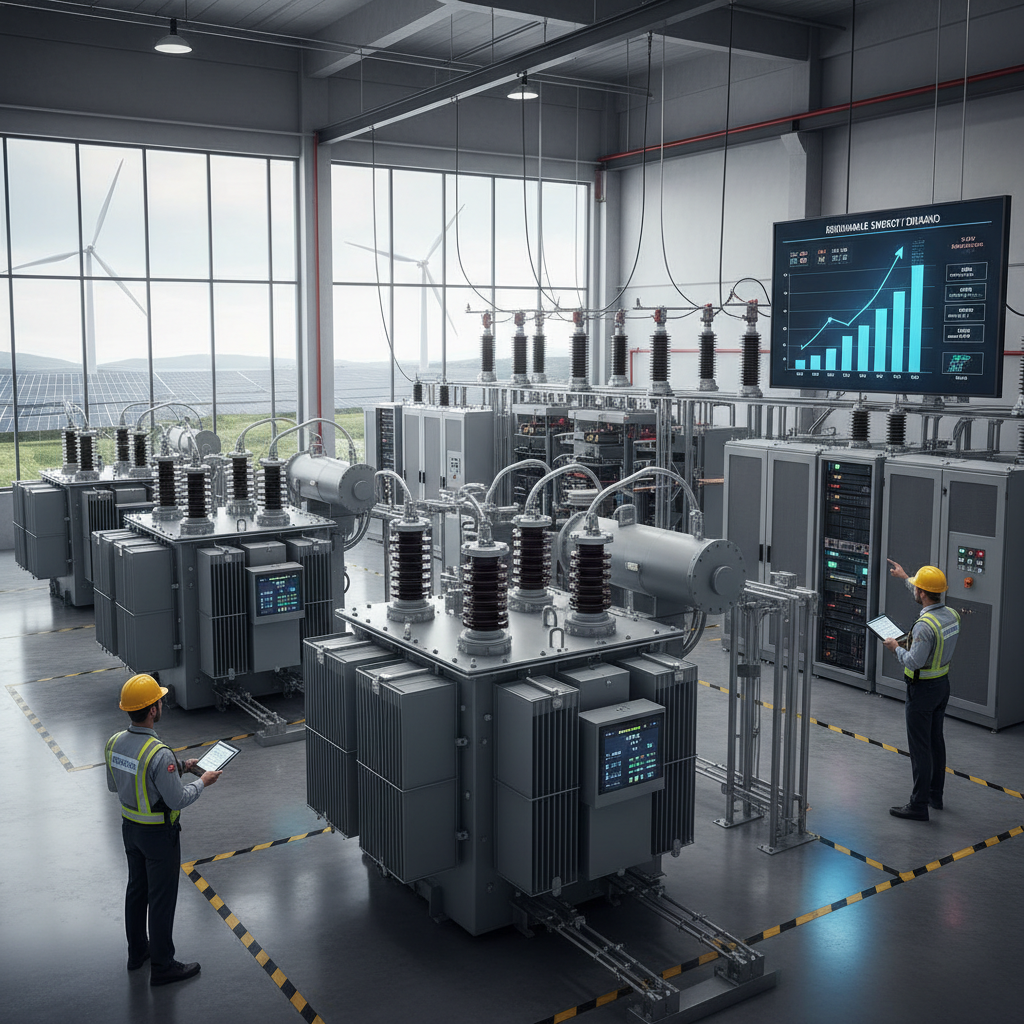
Renewable Energy's Surge: A Catalyst for Distribution Transformer Demand
The global energy landscape is undergoing a monumental transformation, with renewable sources like solar and wind power rapidly displacing traditional fossil fuels. This shift, driven by environmental mandates and economic viability, is profoundly im
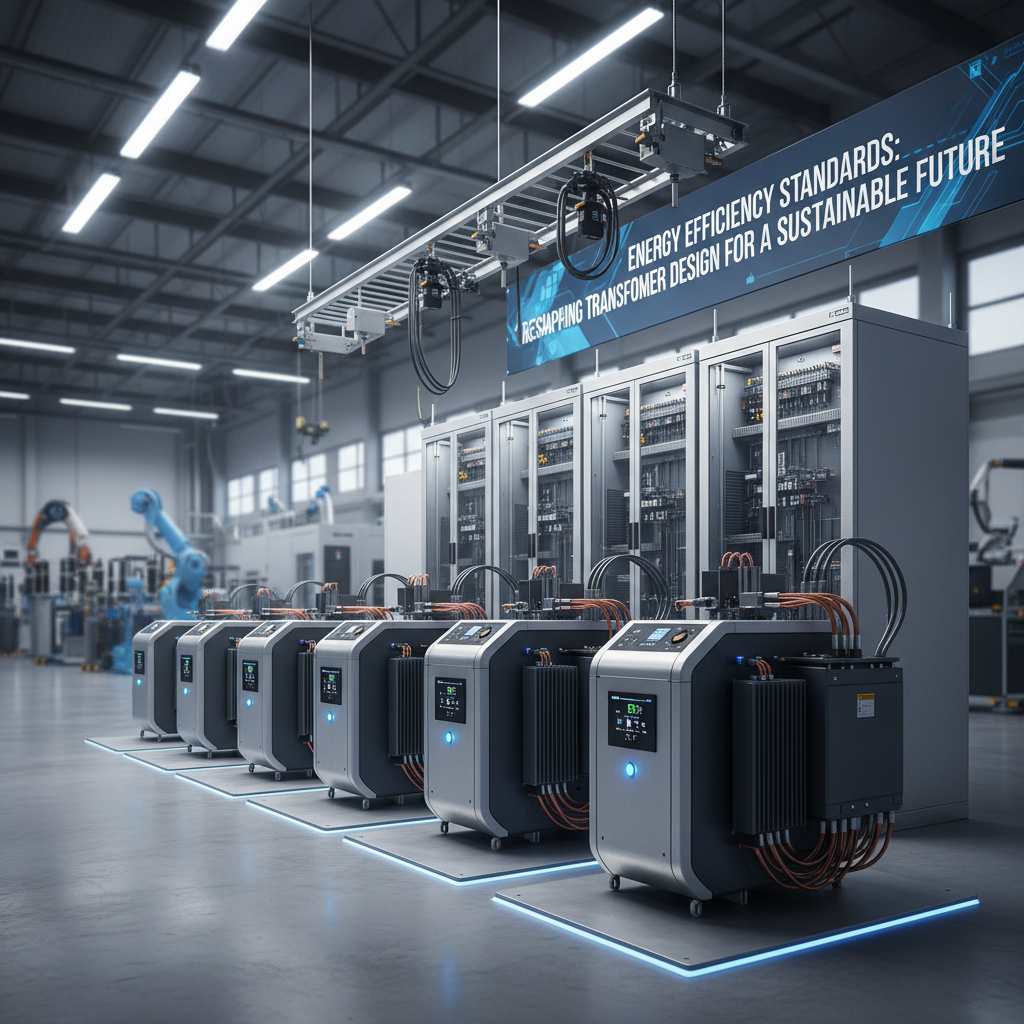
Energy Efficiency Standards: Reshaping Transformer Design for a Sustainable Future
The global push for energy efficiency is fundamentally reshaping the design and manufacturing of power and distribution transformers. This article delves into the critical impact of these standards, examining regulatory landscapes, technical innovati

Digital Transformation: Powering the Future of Distribution Networks
The energy sector is undergoing a profound digital transformation, reshaping how electricity is generated, distributed, and consumed. This article delves into the key technologies and trends driving this change in power distribution networks, highlig