
Digital Transformation: Powering the Future of Distribution Networks
The energy sector is undergoing a profound digital transformation, reshaping how electricity is generated, distributed, and consumed. This article delves into the key technologies and trends driving this change in power distribution networks, highlig
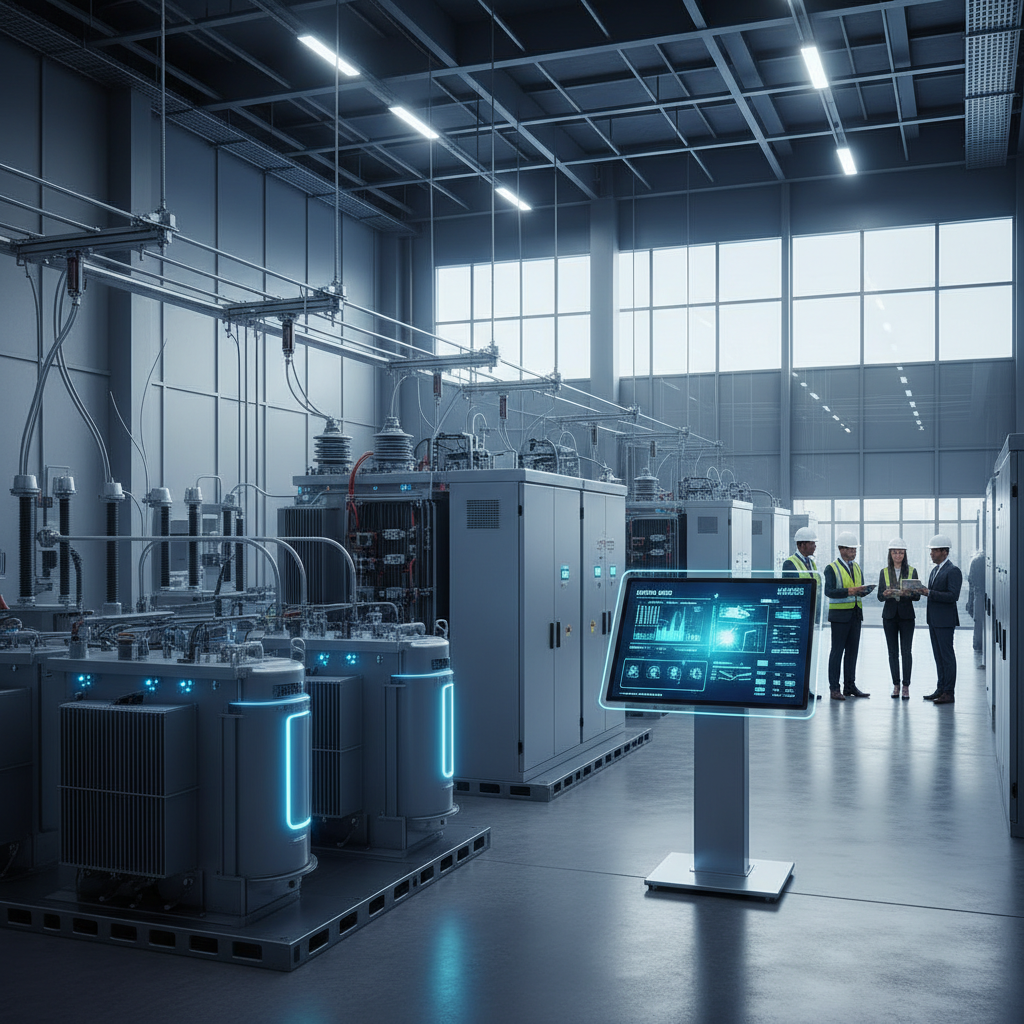
Digital Transformation: Powering the Future of Distribution Networks
The global energy landscape is in the midst of an unprecedented transformation, driven by a confluence of factors including climate change, the rapid adoption of renewable energy sources, and an ever-increasing demand for reliable and efficient power. At the heart of this evolution lies the digital transformation of power distribution networks. Once characterized by one-way power flow and reactive maintenance, these networks are now evolving into intelligent, interconnected, and highly responsive systems capable of managing complex energy flows and optimizing performance in real-time. This shift is not merely an upgrade; it's a fundamental reimagining of how electricity is delivered, promising greater resilience, efficiency, and sustainability for generations to come.
As a leading transformer manufacturer since 1993, Seatrust has witnessed and contributed to the evolution of power infrastructure. Our UL/CSA certified, ISO 9001:2015 compliant transformers – including pad-mounted, pole-mounted, and dry-type units – are critical components enabling this digital revolution, providing the robust and reliable backbone required for smart grid technologies. With over 20,000 units delivered to more than 40 countries, we understand the intricate demands of modern distribution networks and the pivotal role digital innovation plays in their future.
The Pillars of Digital Transformation in Distribution Networks
The digital transformation of power distribution networks is built upon several interconnected technological pillars, each contributing to enhanced visibility, control, and automation. These technologies are moving the industry beyond traditional SCADA systems to a holistic, data-driven approach.
1. Advanced Sensing, Monitoring, and Communication Infrastructure
The foundation of any smart grid is its ability to collect and transmit vast amounts of data from across the network. This is achieved through an array of advanced sensors and meters, coupled with robust communication infrastructure.
- Smart Meters (AMI - Advanced Metering Infrastructure): Beyond basic consumption data, modern smart meters provide real-time, granular data on voltage, current, power factor, and even outage detection. This two-way communication capability allows utilities to remotely read meters, connect/disconnect services, and provide customers with detailed consumption insights, fostering demand-side management.
- Intelligent Electronic Devices (IEDs): These devices, including smart relays, reclosers, and fault circuit indicators, are deployed throughout the distribution network. They monitor parameters, detect faults, and can often make localized decisions to isolate issues and restore power quickly, significantly reducing outage durations. For instance, a smart recloser can automatically attempt to clear a temporary fault and, if unsuccessful, isolate the faulted section, preventing a wider outage.
- Distributed Sensors: Temperature, vibration, and acoustic sensors are increasingly integrated into critical assets like transformers and switchgear. These provide predictive maintenance capabilities, alerting operators to potential failures before they occur. For example, monitoring the gas composition in a transformer's oil can indicate incipient faults, allowing for proactive intervention.
- High-Speed Communication Networks: The sheer volume and velocity of data generated require high-bandwidth, low-latency communication. Fiber optics, cellular (4G/5G), and private radio networks are being deployed to ensure reliable data flow between field devices, substations, and control centers. The advent of 5G, with its ultra-reliable low-latency communication (URLLC) capabilities, is particularly promising for real-time grid control applications.
2. Data Analytics, Artificial Intelligence (AI), and Machine Learning (ML)
Collecting data is only the first step; extracting actionable insights from it is where the true value of digital transformation lies. AI and ML algorithms are becoming indispensable tools for processing and interpreting this complex data.
- Predictive Maintenance: By analyzing historical and real-time data from sensors on transformers, switchgear, and lines, AI/ML models can predict equipment failures with increasing accuracy. This shifts maintenance from a reactive or time-based schedule to a condition-based approach, optimizing resource allocation, extending asset lifespan, and preventing costly outages. For example, an ML model might identify a deteriorating trend in a transformer's winding temperature or partial discharge patterns that indicate an impending insulation breakdown.
- Grid Optimization and Self-Healing: AI-powered algorithms can analyze network conditions, load patterns, and distributed energy resource (DER) output to optimize power flow, minimize losses, and manage voltage levels. In the event of a fault, self-healing grid capabilities, often driven by AI, can automatically reconfigure the network to isolate the fault and restore power to unaffected sections within seconds, dramatically improving reliability. This involves dynamic switching and load balancing.
- Demand Forecasting and Management: Accurate forecasting of electricity demand is crucial for efficient grid operation. AI/ML models can integrate weather data, historical consumption patterns, economic indicators, and even social media trends to produce highly accurate short-term and long-term forecasts. This enables better generation scheduling, demand response program design, and grid planning.
- Cybersecurity: As the grid becomes more interconnected, it also becomes more vulnerable to cyber threats. AI and ML are being deployed to detect anomalous network behavior, identify potential cyberattacks in real-time, and bolster the grid's defenses against sophisticated threats. The average cost of a cyberattack on critical infrastructure can be in the millions, underscoring the importance of these advanced security measures.
3. Integration of Distributed Energy Resources (DERs) and Microgrids
The proliferation of solar PV, wind turbines, battery storage, and electric vehicles (EVs) at the distribution edge is fundamentally changing grid dynamics. Digital technologies are essential for managing this two-way power flow and ensuring grid stability.
- DER Management Systems (DERMS): These platforms use advanced algorithms to monitor, control, and optimize the performance of numerous DERs. They can aggregate DERs to provide grid services like voltage support, frequency regulation, and peak shaving, effectively turning distributed assets into virtual power plants. The global DERMS market is projected to grow significantly, reflecting the increasing need for such integration.
- Microgrids: Digital transformation enables the creation and operation of microgrids, which are localized grids that can operate autonomously or connected to the main grid. They provide enhanced resilience for critical loads, especially during extreme weather events. Advanced control systems, often leveraging AI, manage the complex interplay of generation, storage, and load within a microgrid, ensuring seamless transitions between grid-connected and islanded modes.
- EV Charging Infrastructure Integration: The rapid growth of EVs presents both challenges and opportunities for the grid. Digital platforms are crucial for managing EV charging, optimizing it to align with renewable generation, minimize peak demand, and even utilize EV batteries for vehicle-to-grid (V2G) services, where cars can feed power back into the grid during high-demand periods.
Seatrust's Role in a Digitally Transformed Grid
At Seatrust, we understand that the reliability of the physical infrastructure is paramount, even in the most digitally advanced networks. Our transformers are the unsung heroes, converting voltage levels to enable efficient power delivery and seamlessly integrating with smart grid technologies.
- Robust and Reliable Foundation: Our pad-mounted, pole-mounted, and dry-type transformers are engineered for extreme durability and efficiency, ensuring stable power conversion even under fluctuating loads and environmental conditions inherent in a dynamic smart grid. Our UL/CSA certifications and ISO 9001:2015 compliance reflect our commitment to quality that forms the bedrock of a resilient digital infrastructure.
- Smart Grid Ready: Seatrust transformers are designed to be
Share this article
Related Articles
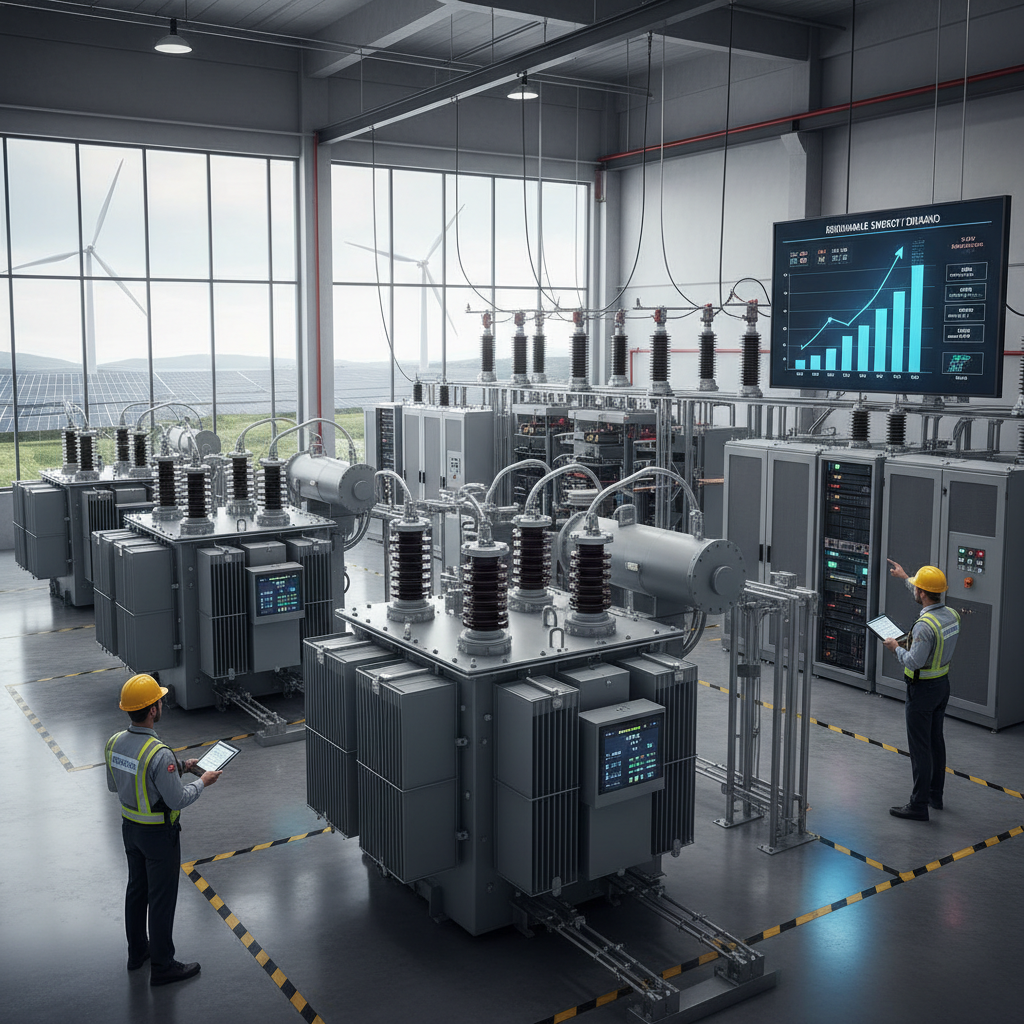
Renewable Energy's Surge: A Catalyst for Distribution Transformer Demand
The global energy landscape is undergoing a monumental transformation, with renewable sources like solar and wind power rapidly displacing traditional fossil fuels. This shift, driven by environmental mandates and economic viability, is profoundly im
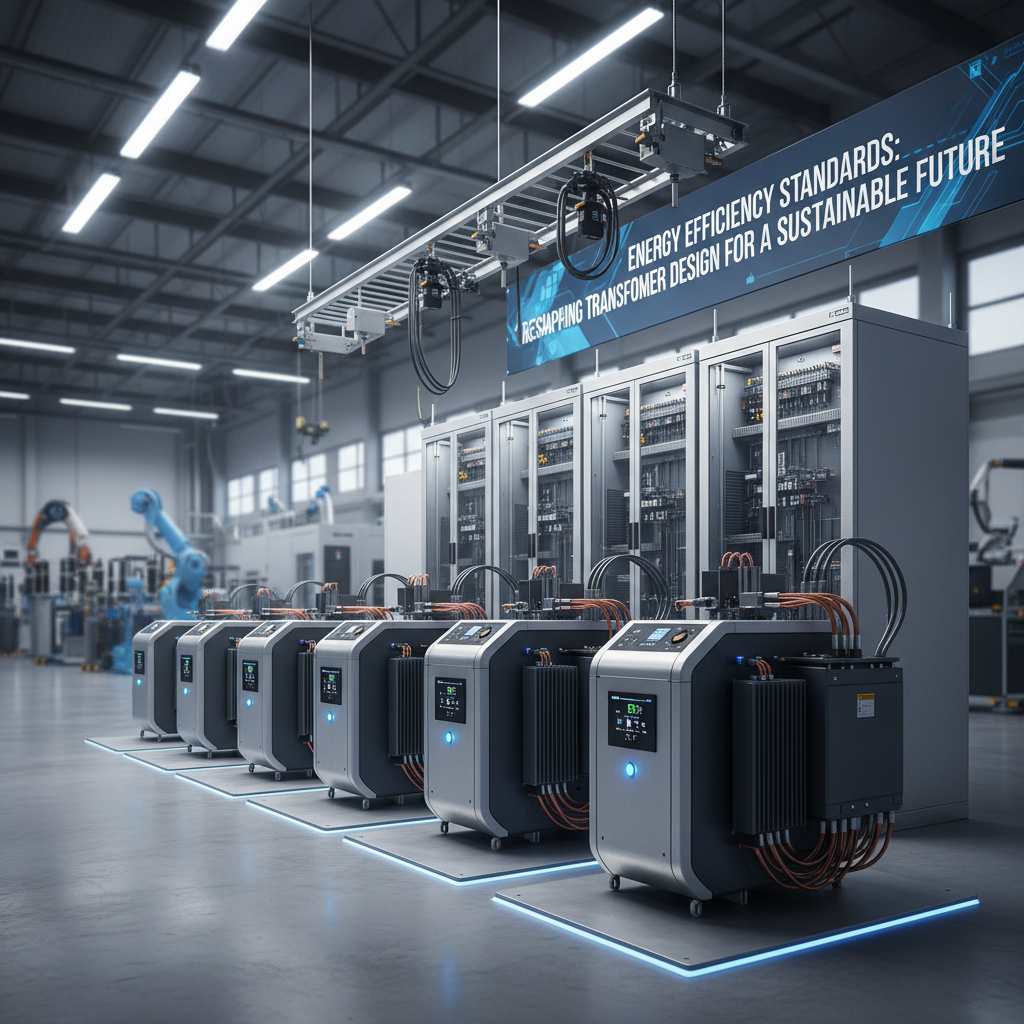
Energy Efficiency Standards: Reshaping Transformer Design for a Sustainable Future
The global push for energy efficiency is fundamentally reshaping the design and manufacturing of power and distribution transformers. This article delves into the critical impact of these standards, examining regulatory landscapes, technical innovati
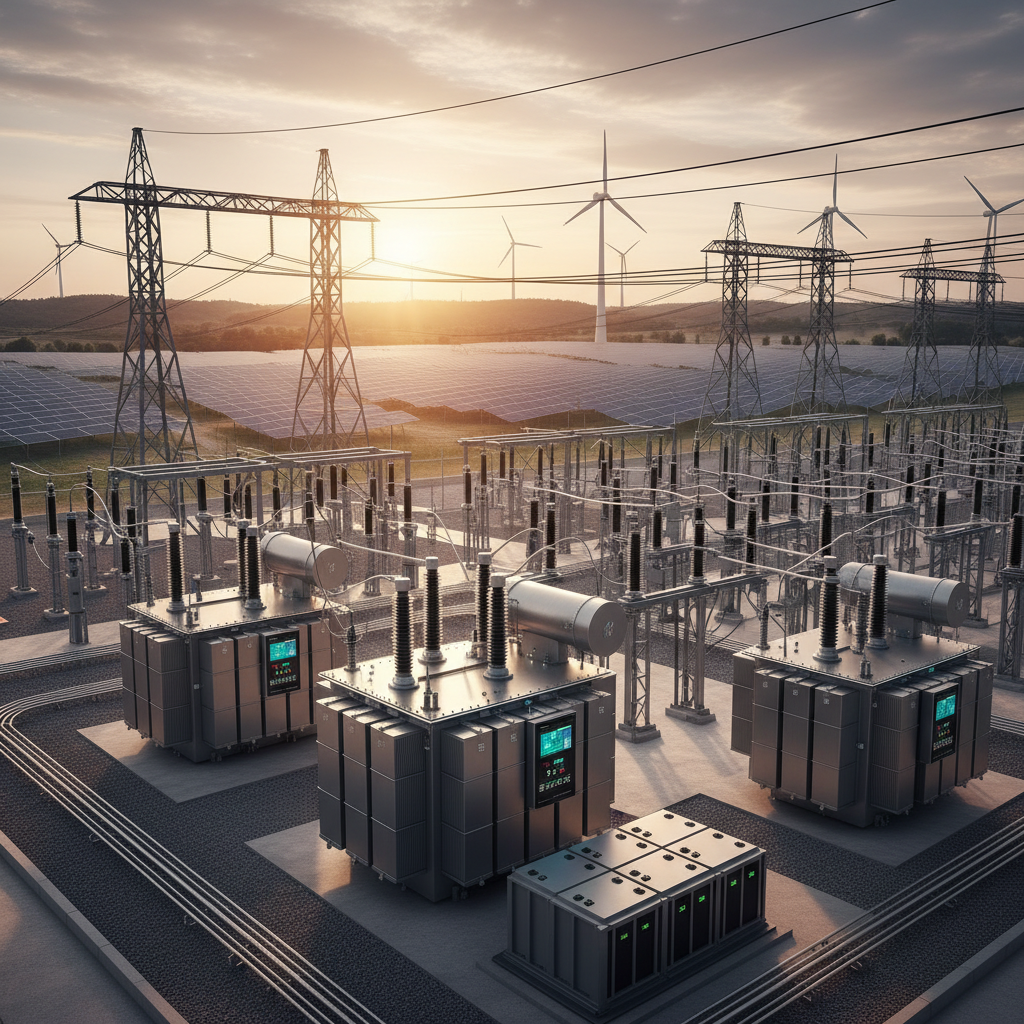
Renewable Energy's Surge: A Catalyst for Distribution Transformer Demand
The global energy landscape is rapidly transforming, driven by an unprecedented shift towards renewable sources. This transition is creating a significant surge in demand for critical grid infrastructure, particularly distribution transformers. This